

Contents
- What is folate – and what is folic acid?
- Folate in foods: specific portions for everyday life
- Quatrefolic® in Biogena Folsäure 800 aktiviert
- Trying to conceive and pregnancy: please clarify individually
- Frequently asked questions from counselling
- Conclusion: plan folate consciously, use supplementation in a targeted way
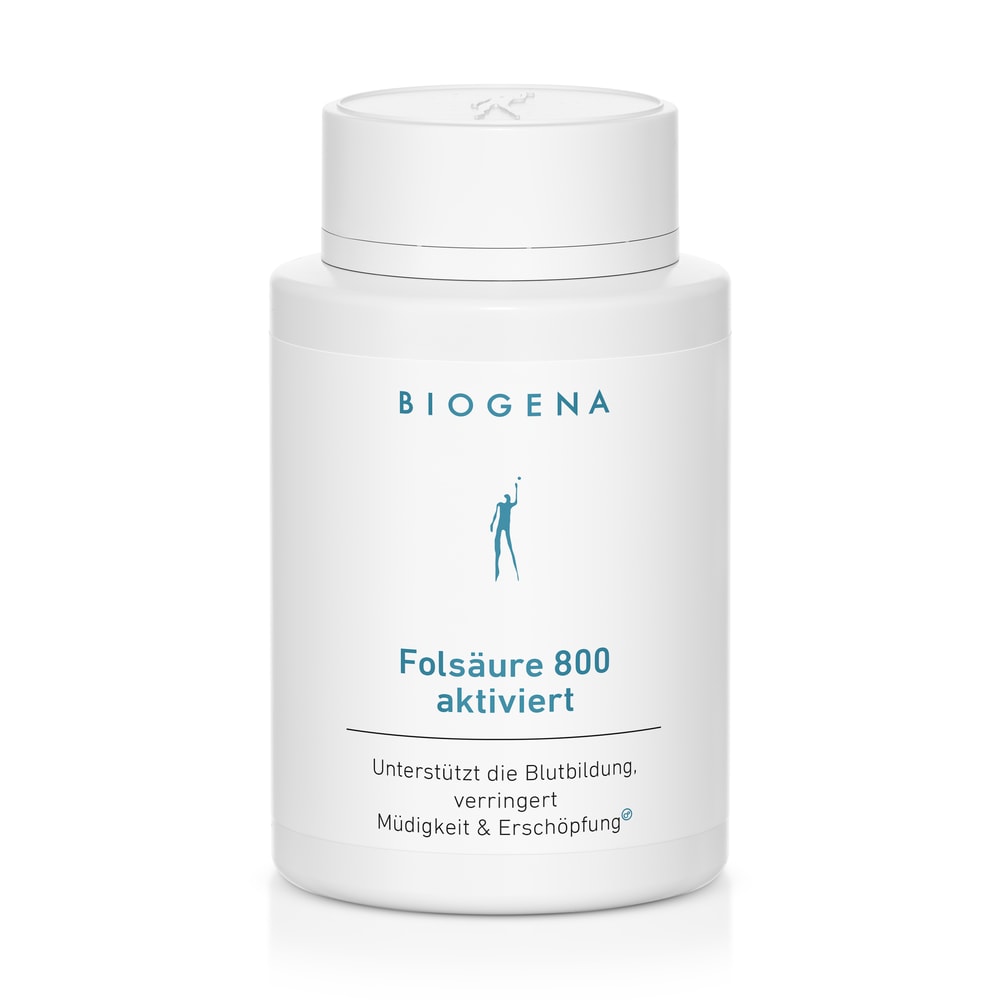
Biogena Folsäure 800 aktiviert is a food supplement with folic acid in the biologically active form Quatrefolic® (5-methyltetrahydrofolate, 5-MTHF). Folate contributes to normal blood formation, folate has a role in the process of cell division, folate contributes to maternal tissue growth during pregnancy and folate contributes to the reduction of tiredness and fatigue. If you are trying to conceive or are pregnant, please coordinate intake with your doctor.
Folate belongs to the B vitamins and occurs naturally in many plant-based foods. In everyday life, however, supply is not always consistent, for example if vegetables rarely end up on the plate, meals are highly processed or the diet is very one-sided. This article shows you which foods are useful, how to combine them in practice and what role the active form Quatrefolic® in Biogena Folsäure 800 aktiviert can play.
What is folate – and what is folic acid?
Folate is the umbrella term for naturally occurring compounds of this B vitamin in foods. Folic acid is often used in everyday language as a generic term, especially for food supplements. What matters in practice is this: foods provide folate in varying amounts, while a preparation provides a clearly defined amount per capsule.
Biogena Folsäure 800 aktiviert contains folic acid as Quatrefolic® (5-MTHF), the biologically active form. According to the product description, the body does not first have to convert this form. This can be of interest to people who want to pay specific attention to a constant supplementary intake.
The product contains 120 vegan capsules. It is therefore suitable for planned use over a longer period, provided that intake fits your personal situation. Especially in pregnancy, when trying to conceive, in the case of existing complaints, regular medication use or abnormal laboratory values, individual consultation is advisable.
Folate in foods: specific portions for everyday life
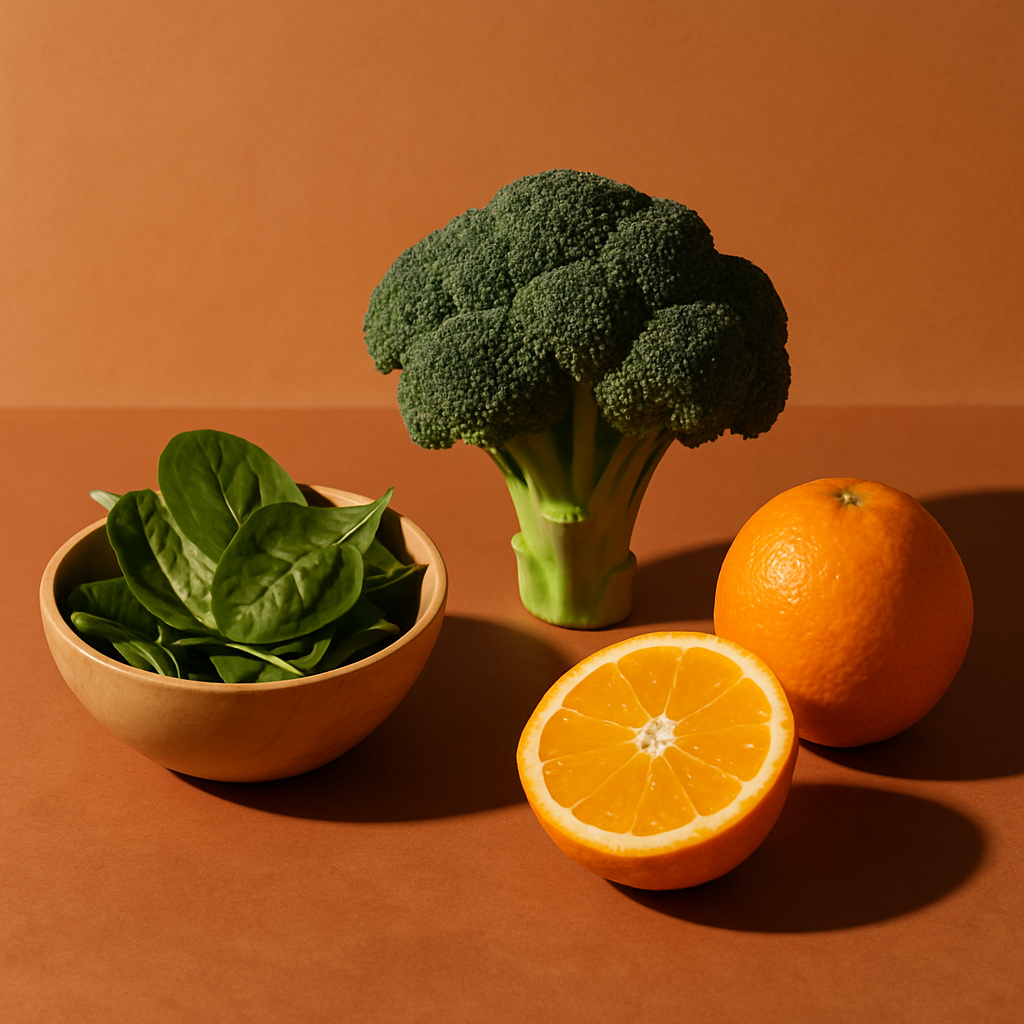
Folate is found primarily in green vegetables, pulses, some types of cabbage, herbs and wholegrain products. Practical orientation is easier than calculating with individual nutrient tables: plan several folate-rich components every day, as fresh as possible and prepared gently.
Good food components
- Green leafy vegetables: 1 large handful of fresh spinach, lamb’s lettuce, rocket or chard, for example as a salad base or briefly folded into warm dishes.
- Broccoli and cabbage vegetables: 150 to 200 g broccoli, Brussels sprouts or kale as a side dish, preferably steamed or only briefly cooked.
- Pulses: 150 g cooked lentils, chickpeas or beans in bowls, soups or as a spread.
- Herbs: add 1 to 2 tablespoons of parsley, chives or coriander to finished dishes.
- Wholegrain: 1 to 2 slices of wholegrain bread or a portion of oat flakes, combined with vegetables or fruit.
- Citrus fruits: 1 orange or 1 grapefruit as a snack or with a breakfast with oat flakes.
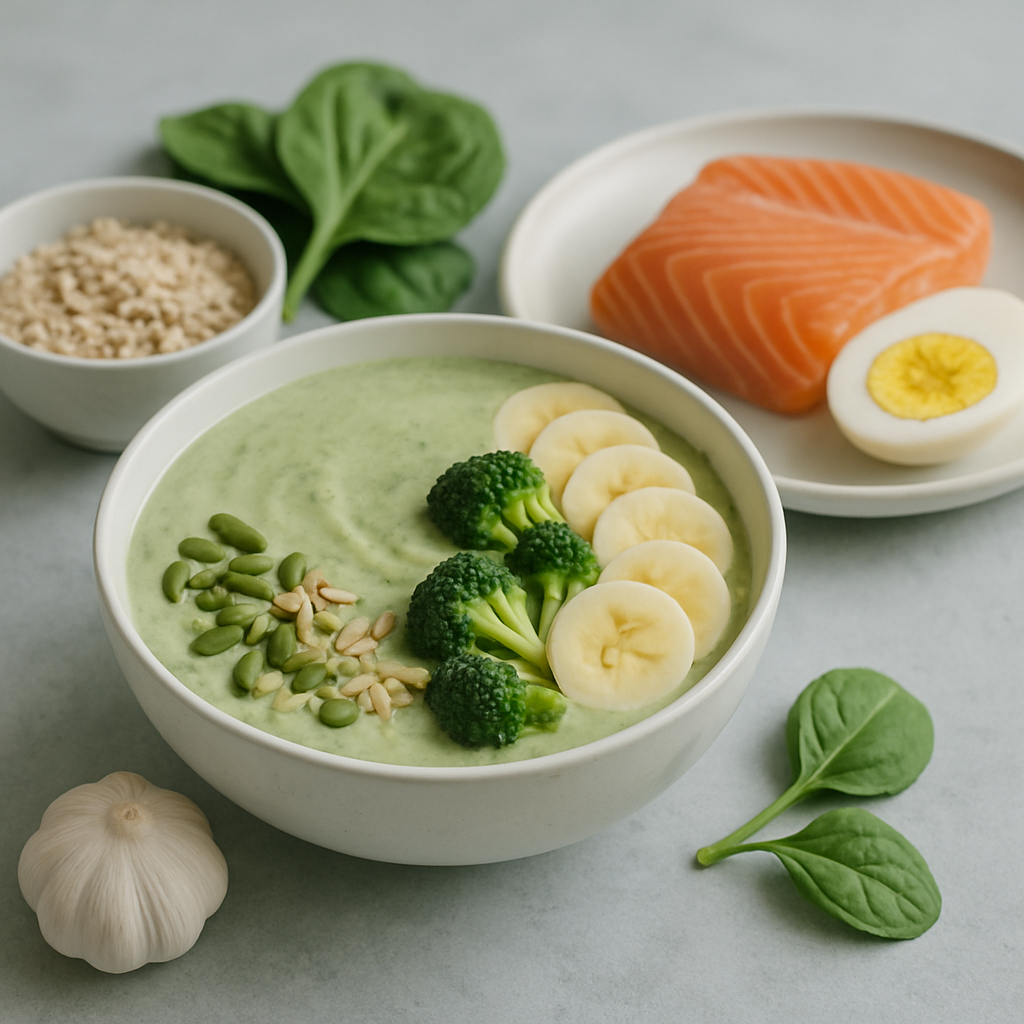
An everyday plate could look like this: 150 g lentils with steamed broccoli, a handful of rocket, wholegrain rice and fresh parsley. Or oat flakes with orange in the morning, wholegrain bread with hummus at lunchtime and a quick mixed vegetable stir-fry with spinach in the evening.
Folate is sensitive to long storage, water and heat. Buy vegetables as fresh as possible, do not store them for unnecessarily long and cook them gently. Steaming, brief sautéing or using some raw vegetables is often more favourable in everyday life than long boiling in plenty of water.
Quatrefolic® in Biogena Folsäure 800 aktiviert
With Biogena Folsäure 800 aktiviert, the form of folate it contains is the focus: Quatrefolic® (5-methyltetrahydrofolate), or 5-MTHF for short. This form is described as the biologically active form and does not first have to be converted by the body.
For use, regularity is especially important. Food supplements often become impractical if they do not have a fixed place in the daily routine. An intake routine has proven useful, for example in the morning with breakfast or with another meal that you reliably have every day.
Typical mistakes when taking it
- Irregular use: A capsule occasionally “when you remember” rarely fits a structured approach.
- Double intake after forgetting: If you have forgotten a dose, continue to follow the recommended intake stated on the product.
- Pregnancy without consultation: During pregnancy, please coordinate intake with your doctor.
- Replacing foods: A preparation does not replace a daily basis of vegetables, pulses and wholegrains.
- Too many preparations at the same time: Check whether other products already contain folate or folic acid, for example a B-complex or pregnancy preparation.
If you would like to combine several B vitamins, it can be useful to look at the total intake. You can find more about the interaction between folate and B12 in the article Folic acid and vitamin B12.
Trying to conceive and pregnancy: please clarify individually
Folate contributes to maternal tissue growth during pregnancy. At the same time, this stage of life is particularly individual: diet, previous supply, pre-existing conditions, medications and preparations already being used can all play a role. For this reason, intake when trying to conceive and during pregnancy should always be coordinated with your doctor.
Even if you are already taking a product, it is worth taking a close look at the composition. Some preparations contain other nutrients in addition to folate, while others provide only folic acid or folate. What matters is not the number of products, but a coherent overall concept.
In nutrition counselling, we also look at your meal structure: How often do you eat fresh vegetables? Are pulses part of your weekly plan? What does your breakfast look like? Questions like these help to improve the basic supply from foods before unnecessarily adding many individual products.
Frequently asked questions from counselling
Is a folate-rich diet always enough?
This cannot be answered in general terms. Many people can make their diet richer in folate, for example with leafy vegetables, pulses and wholegrain products every day. Whether an additional preparation such as Biogena Folsäure 800 aktiviert makes sense depends on your personal situation.
Can I combine Biogena Folsäure with a B-complex?
That is a question of the total amount. If a B-complex already contains folate or folic acid, you should compare the product information side by side. If you are unsure, a professional assessment is useful so that unnecessary overlaps do not arise.
When is the best time to take the capsule?
A fixed routine with a meal is practical. Choose a time you will not forget: breakfast, lunch or dinner. It is important to follow the information on the product.
What about tiredness in everyday life?
Folate contributes to the reduction of tiredness and fatigue. However, tiredness can have many causes, such as sleep rhythm, diet, stress, iron status or other factors. If tiredness persists or appears for the first time, it should be medically clarified.
Conclusion: plan folate consciously, use supplementation in a targeted way
Biogena Folsäure 800 aktiviert provides folate in the active form Quatrefolic® (5-MTHF) in vegan capsules. A folate-rich diet remains the foundation: green vegetables every day, pulses regularly, wholegrain products and fresh herbs. When trying to conceive and during pregnancy, please coordinate intake with your doctor.
Important note: Food supplements are not a substitute for a balanced, varied diet and a healthy lifestyle. The stated recommended daily intake must not be exceeded.
Would you like to know how folate, B vitamins and your diet fit together in everyday life? Olha Bezuhla, nutritional consultant at the Centre for Prevention and Nutrition in Berlin, will be happy to support you personally. Request counselling
This article is for general information and does not replace medical advice, diagnosis or treatment.
{“@context”:”https://schema.org”,”@graph”:[{“@type”:”FAQPage”,”mainEntity”:[{“@type”:”Question”,”name”:”Is a folate-rich diet always enough?”,”acceptedAnswer”:{“@type”:”Answer”,”text”:”This cannot be answered in general terms. Many people can make their diet richer in folate, for example with leafy vegetables, pulses and wholegrain products every day. Whether an additional preparation such as Biogena Folsäure 800 aktiviert makes sense depends on your personal situation.”}},{“@type”:”Question”,”name”:”Can I combine Biogena Folsäure with a B-complex?”,”acceptedAnswer”:{“@type”:”Answer”,”text”:”That is a question of the total amount. If a B-complex already contains folate or folic acid, you should compare the product information side by side. If you are unsure, a professional assessment is useful so that unnecessary overlaps do not arise.”}},{“@type”:”Question”,”name”:”When is the best time to take the capsule?”,”acceptedAnswer”:{“@type”:”Answer”,”text”:”A fixed routine with a meal is practical. Choose a time you will not forget: breakfast, lunch or dinner. It is important to follow the information on the product.”}},{“@type”:”Question”,”name”:”What about tiredness in everyday life?”,”acceptedAnswer”:{“@type”:”Answer”,”text”:”Folate contributes to the reduction of tiredness and fatigue. However, tiredness can have many causes, such as sleep rhythm, diet, stress, iron status or other factors. If tiredness persists or appears for the first time, it should be medically clarified.”}}]}]}
This article is for general information only and does not replace medical advice or treatment.

Nutrition scientist (postdoctoral research, Potsdam)