



Contents
- Why folic acid and vitamin B12 belong together
- Foods with folate: plan specifically rather than just “more vegetables”
- Vitamin B12: why the dietary pattern is so important
- Who should pay particular attention to intake
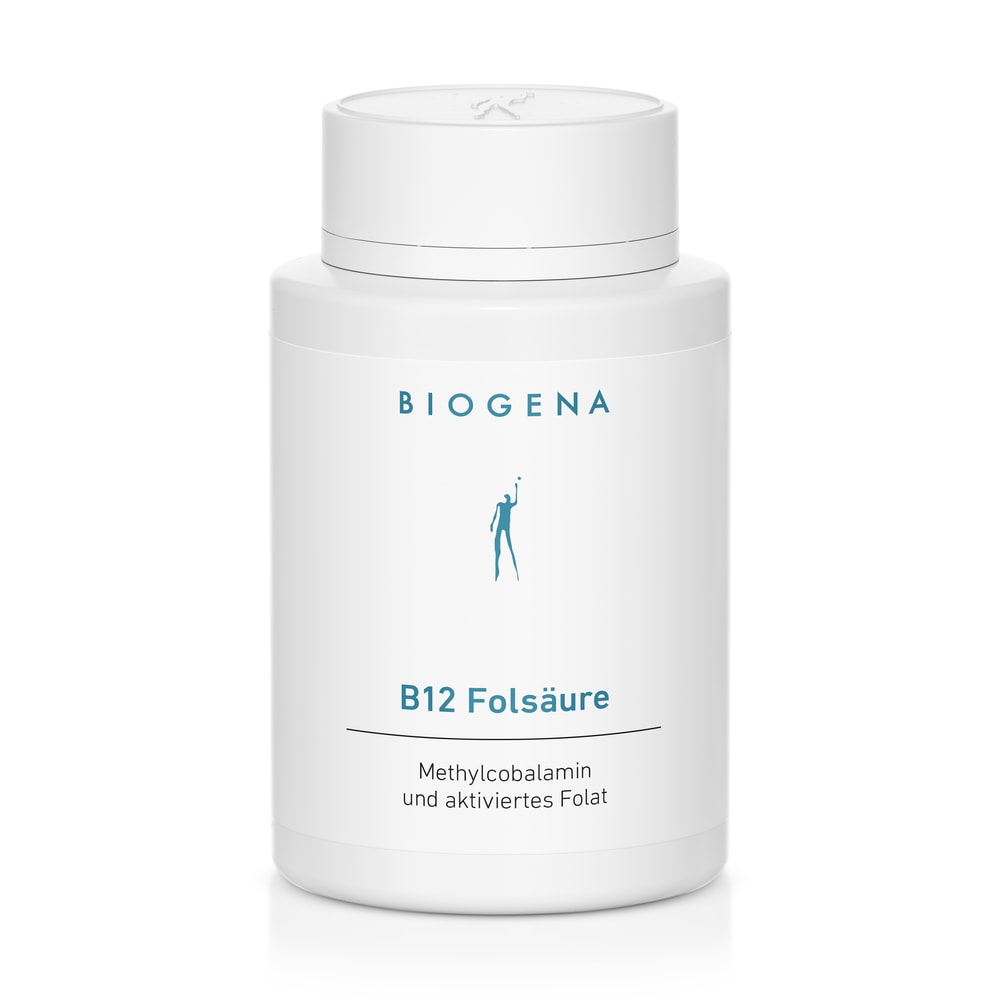
- Biogena B12 Folsäure: what the product contains
- Practical combinations for your everyday life
- Frequently asked questions
Folic acid and vitamin B12 are often considered together because both nutrients are involved in related processes: vitamin B12 and folate contribute to normal homocysteine metabolism. Folate contributes to normal blood formation, and vitamin B12 contributes to normal red blood cell formation. In practice, this means that anyone who wants to manage their intake consciously should not only look at individual foods, but at the interplay of dietary pattern, everyday routine, preparation and, if appropriate, a suitable supplement.
In everyday language, the term folic acid is often used for various forms of folate. Folate occurs naturally in foods, while folic acid or active forms of folate are found in food supplements. Vitamin B12 is found mainly in foods of animal origin. This is precisely where an important difference lies: while folate can be obtained from vegetables, legumes and some wholegrain products, vitamin B12 is a separate intake issue in an exclusively plant-based diet.
Why folic acid and vitamin B12 belong together
Folate and vitamin B12 are water-soluble B vitamins. They are not stored in large quantities like fat-soluble vitamins, which is why regular intake in everyday life is important. At the same time, their food sources differ significantly.
Folate contributes to normal blood formation. Vitamin B12 contributes to normal red blood cell formation. In addition, vitamin B12 and folate contribute to normal homocysteine metabolism. Vitamin B12 contributes to normal functioning of the nervous system.
For nutrition practice, the key point is this: a folate-rich diet does not automatically replace vitamin B12. Conversely, a good vitamin B12 intake does not make a diet rich in vegetables and legumes unnecessary. Both nutrients should be considered independently.
Foods with folate: plan specifically rather than just “more vegetables”
Folate is found especially in green vegetables, legumes and some cereal products. Because folate is sensitive to heat and long storage, gentle preparation is worthwhile. Steam vegetables briefly, do not keep them warm for long, and eat some of them raw: these are simple adjustments.
Practical folate-rich components for a week can include:
- 100 g fresh spinach as a salad base, supplemented with nuts and potatoes
- 200 g broccoli, briefly steamed, with wholegrain rice or fish
- 150 g cooked lentils in a bowl with peppers, parsley and olive oil
- 150 g chickpeas as hummus or with oven-roasted vegetables
- 200 g asparagus or green vegetables as a side dish with dinner
- a handful of lamb’s lettuce, rocket or fresh herbs daily as an addition
A typical mistake is to plan folate intake only through the occasional salad leaf. A recurring pattern is better: legumes or wholegrain foods at lunchtime, green vegetables in the evening, fresh herbs or raw vegetables in between. This makes intake less dependent on individual “perfect” meals.
Vitamin B12: why the dietary pattern is so important
Vitamin B12 is found mainly in foods of animal origin. People who regularly eat fish, eggs, dairy products or meat have different starting conditions from people who follow a vegan or predominantly plant-based diet. A vegetarian diet can contain vitamin B12 if dairy products and eggs are eaten regularly; with a vegan diet, intake should be planned specifically.
Everyday vitamin B12 sources include, for example:
- 150 g fish as a main meal
- 2 eggs, for example as an omelette with spinach
- 200 g yoghurt or quark with breakfast
- cheese in moderate amounts as part of a meal
- meat or poultry, if it fits your personal diet
With a vegan diet, fortified foods are practical, but they are not always reliably dosed or included regularly enough in the menu. A common misconception is to plan fermented foods, algae or unwashed vegetables as a safe source of vitamin B12. For the daily routine, a clearly dosed strategy is usually simpler.
Who should pay particular attention to intake
A closer look at folic acid and vitamin B12 is particularly sensible when certain dietary or life situations apply. This is not about general self-diagnoses, but about a structured assessment: what do I eat regularly, what do I eat rarely, and how consistent is my intake?
- People living vegan: Vitamin B12 should be consciously planned, as the usual sources are mainly of animal origin.
- Vegetarians: Eggs and dairy products can contribute, but depending on the amount and frequency, they are not automatically sufficient.
- People with little vegetable and legume intake: Here, folate may be underrepresented in the diet if meals are strongly focused on white flour products, sweets or ready meals.
- People following one-sided diets: Anyone who avoids many food groups should approach nutrient planning particularly carefully.
- People with regular alcohol consumption: Overall diet quality should be consciously reviewed here.
- Women wishing to have children or in special phases of life: Individual intake should be discussed with specialists at an early stage.
If laboratory values are available and are abnormal, you should not interpret them in isolation. Discuss results with your doctor, especially if you have symptoms or are taking medication.
Biogena B12 Folsäure: what the product contains
Biogena B12 Folsäure combines vitamin B12 as methylcobalamin with folic acid in the active form Quatrefolic® (5-MTHF). The pack contains 120 vegan capsules. The product is aimed at people who want to specifically supplement their intake of vitamin B12 and folate, for example with a vegetarian or vegan diet.
Good to know: folate contributes to normal blood formation. Vitamin B12 contributes to normal red blood cell formation. Vitamin B12 and folate contribute to normal homocysteine metabolism. Vitamin B12 contributes to normal functioning of the nervous system.
For taking it, regularity is particularly important. Put the capsules in a fixed place, for example next to your breakfast dishes, and link taking them with an existing routine. Common mistakes are changing intake times, long breaks “because the diet is going well at the moment” or combining several B-vitamin products in parallel without keeping track.
If you already use a B-complex, it is worth looking at your total intake. In keeping with this, you can also find the article Neurosagena B-Komplex on bezugla.de. If you are specifically interested in folate, you can also read the post Biogena folic acid: use in everyday life.
Practical combinations for your everyday life
The best nutrient planning is the kind that fits your daily routine. If there is little time in the morning, a prepared breakfast can help: oats with yoghurt or soya yoghurt, plus berries and nuts. With a vegan diet, vitamin B12 should be considered separately; with a vegetarian diet, natural yoghurt can be one component.
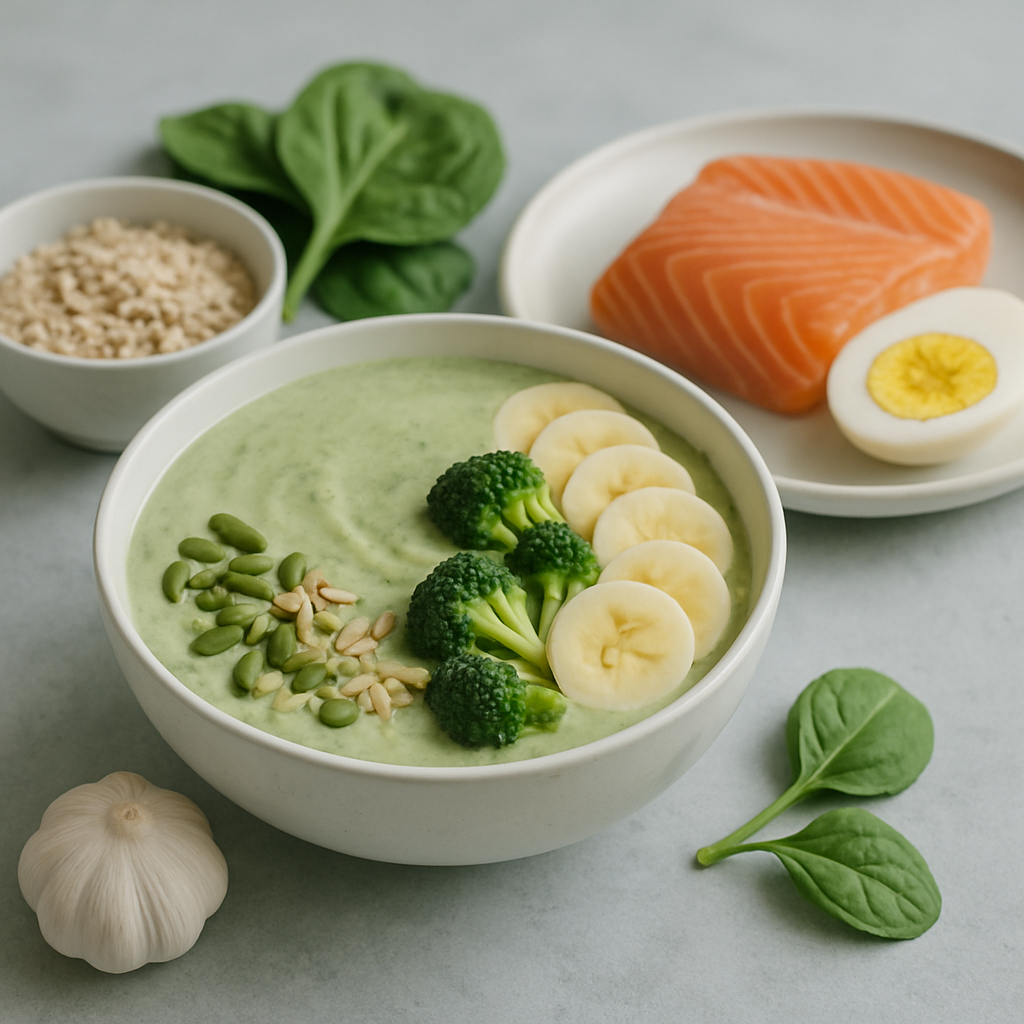
Bowls are very suitable for lunch: 150 g cooked lentils, one portion of wholegrain rice, 100 g spinach or rocket, peppers, pumpkin seeds and a dressing made from lemon juice and olive oil. If you eat fish, you can plan a fish meal once or twice a week and combine it with green vegetables.
In the evening, a simple rule is helpful: one protein source, one portion of vegetables, one filling side dish. Examples are omelette with spinach and potatoes, broccoli with chickpeas and wholegrain pasta, or quark with herbs, boiled potatoes and salad. In this way, folate sources are not thought of as an add-on, but as a fixed part of the meal.
Food supplements are not a substitute for a balanced, varied diet and a healthy lifestyle. The stated recommended daily intake must not be exceeded.
Frequently asked questions
Why should you consider folic acid and vitamin B12 together?
Folate and vitamin B12 are water-soluble B vitamins and are involved in related processes. Vitamin B12 and folate contribute to normal homocysteine metabolism; folate contributes to normal blood formation and vitamin B12 to normal red blood cell formation.
Which foods can you plan into your everyday routine for folate and vitamin B12?
Folate is found especially in green vegetables, legumes and some cereal products, for example in spinach, broccoli, lentils, chickpeas, asparagus, lamb’s lettuce, rocket or fresh herbs. Vitamin B12 is found mainly in foods of animal origin, such as fish, eggs, dairy products, cheese, meat or poultry.
When should you plan your intake of folic acid and vitamin B12 particularly consciously?
A closer look is particularly sensible with a vegan or vegetarian diet, with little vegetable and legume intake, with one-sided diets, regular alcohol consumption and for women wishing to have children or in special phases of life. With a vegan diet, vitamin B12 should be consciously planned, as the usual sources are mainly of animal origin.
Would you like to know whether your diet fits your everyday life, your eating habits and your goals? At the Zentrum für Prävention und Ernährung, nutritional consultant Olha Bezuhla supports you with an individual assessment and practical recommendations. Request consultation
This article is for general information and does not replace medical advice, diagnosis or treatment.
{“@context”:”https://schema.org”,”@graph”:[{“@type”:”FAQPage”,”mainEntity”:[{“@type”:”Question”,”name”:”Why should you consider folic acid and vitamin B12 together?”,”acceptedAnswer”:{“@type”:”Answer”,”text”:”Folate and vitamin B12 are water-soluble B vitamins and are involved in related processes. Vitamin B12 and folate contribute to normal homocysteine metabolism; folate contributes to normal blood formation and vitamin B12 to normal red blood cell formation.”}},{“@type”:”Question”,”name”:”Which foods can you plan into your everyday routine for folate and vitamin B12?”,”acceptedAnswer”:{“@type”:”Answer”,”text”:”Folate is found especially in green vegetables, legumes and some cereal products, for example in spinach, broccoli, lentils, chickpeas, asparagus, lamb’s lettuce, rocket or fresh herbs. Vitamin B12 is found mainly in foods of animal origin, such as fish, eggs, dairy products, cheese, meat or poultry.”}},{“@type”:”Question”,”name”:”When should you plan your intake of folic acid and vitamin B12 particularly consciously?”,”acceptedAnswer”:{“@type”:”Answer”,”text”:”A closer look is particularly sensible with a vegan or vegetarian diet, with little vegetable and legume intake, with one-sided diets, regular alcohol consumption and for women wishing to have children or in special phases of life. With a vegan diet, vitamin B12 should be consciously planned, as the usual sources are mainly of animal origin.”}}]}]}
This article is for general information only and does not replace medical advice or treatment.

Nutrition scientist (postdoctoral research, Potsdam)