



Contents
If you suspect histamine intolerance, the most sensible first step is not a permanently strict diet, but organised observation: Which foods, amounts and situations occur together with symptoms? Gastrointestinal problems, headaches, skin complaints and allergy-like symptoms are typically described. A food diary and, if necessary, a laboratory test can provide indications; medical assessment remains important.
Histamine is a natural compound that occurs in the body and can also be present in foods. Matured, fermented or long-stored products are often particularly relevant. The specialist literature describes histamine intolerance as a complex topic in which intake, the body’s own formation and the breakdown of histamine must be considered together.
Typical symptoms: why attribution is difficult
The symptoms described in histamine intolerance are varied. They can occur soon after eating, but sometimes also with a delay. This is exactly why self-diagnosis is difficult: similar symptoms can have many other causes.
- Gastrointestinal: rumbling stomach, bloating, loose stools or changing digestion.
- Head area: headaches or a feeling of pressure that those affected associate with certain meals.
- Skin: redness, itching or a tendency to wheals.
- Allergy-like: runny nose, sneezing or a feeling of heat after eating.
- Circulatory sensation: palpitations or a feeling of restlessness, especially after larger meals or alcohol.
A single symptom does not prove histamine intolerance. Recurring patterns are more meaningful: for example, symptoms after red wine and mature cheese, but not after freshly prepared meals with a similar amount of fat or carbohydrates.
Diet if suspected: practical, but not unnecessarily strict
A histamine-conscious diet is best started with freshness and simplicity. The aim is not to cut out as many foods as possible permanently, but first to gain an overview. A time-limited, well-planned test phase is more suitable for everyday life than a long list of blanket bans.
Foods that are often observed more closely
- Matured and fermented foods: hard cheese, salami, sauerkraut, soy sauce, kombucha.
- Alcoholic drinks: especially red wine, sparkling wine and beer.
- Fish and meat: especially smoked, cured, marinated or stored for a long time.
- Ready meals and leftovers: dishes that have been kept in the refrigerator for several days or reheated repeatedly.
- Some vegetables and fruits: for example tomatoes, spinach, aubergine, avocado, strawberries or citrus fruits – this varies individually.
In practical terms, this means: buy small amounts, prepare meals fresh and cool leftovers down quickly. If you cook in advance, you can freeze portions straight away instead of keeping them in the refrigerator for two to three days.
Example of a simple test day
- Breakfast: 50 g rolled oats with 150 g plain yogurt or an individually well-tolerated alternative, plus 100 g blueberries.
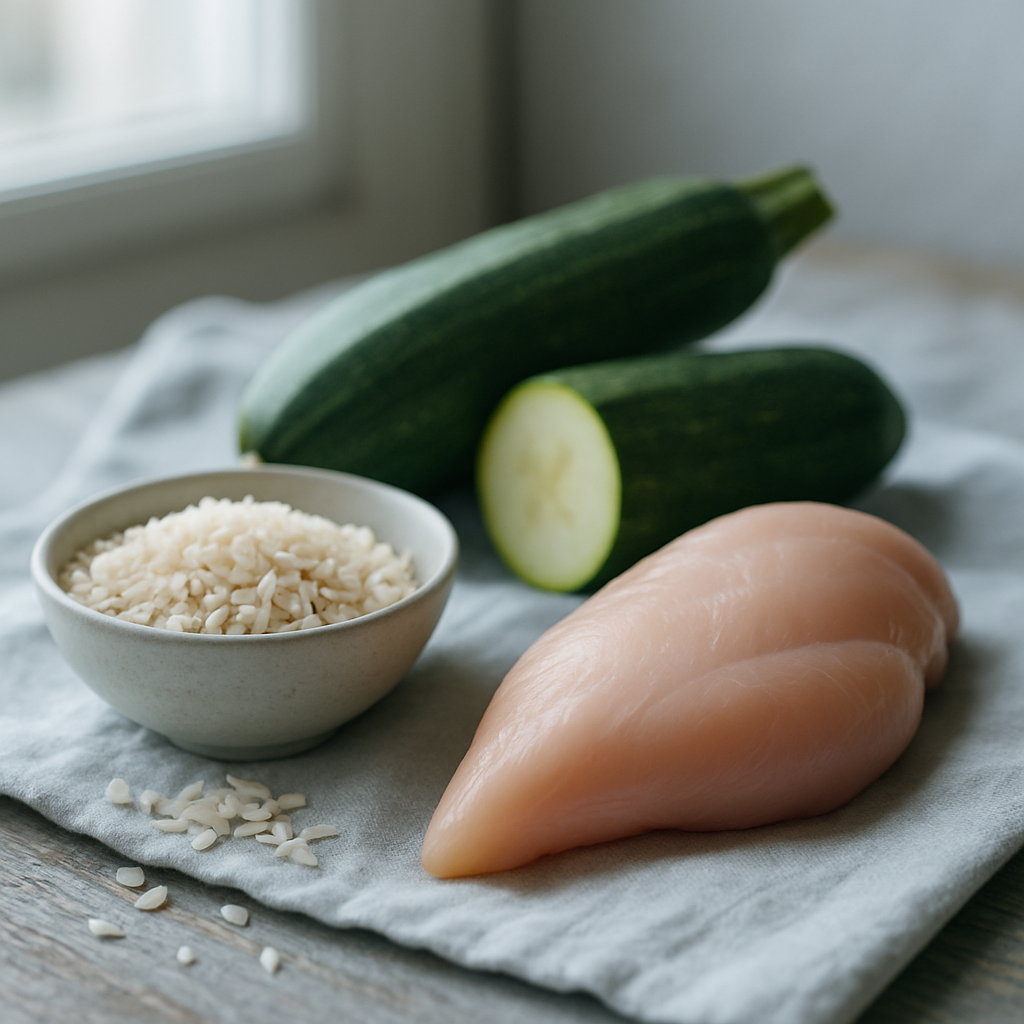
- Lunch: 150 g freshly cooked chicken or tofu, 200 g potatoes, 200 g courgette or carrots, 1 tbsp olive oil.
- Snack: rice cakes with cream cheese or an apple, if this is well tolerated.
- Dinner: freshly cooked rice with steamed vegetables and herbs, without ready-made sauces.
Important: these examples are not a universally applicable list. Tolerance is individual. If you are already avoiding a large number of foods, you should not restrict your diet further, but seek professional guidance.
Food diary: how to make it meaningful
A good diary is often more helpful than a vague memory. For 10 to 14 days, note down as specifically as possible what you eat and drink. Amounts are important: a piece of cheese may be assessed differently than a cheese board with wine.
- Time of the meal and exact foods, for example “80 g hard cheese” instead of just “cheese”.
- Preparation and storage, such as “freshly cooked” or “leftover from the previous day”.
- Drinks, especially alcohol, coffee and soft drinks.
- Symptoms with time, duration and intensity on a scale from 0 to 10.
- Accompanying factors such as cycle phase, very late meals, travel or high everyday stress.
A common mistake is changing too many things at the same time: no gluten, no dairy products, no sugar, no tomatoes and new dietary supplements at the same time. Then it is hardly possible to trace which factor was relevant. A clear plan with few changes is better.
If you notice that stress, irregular meals or sleep rhythm are overshadowing your food observations, it may also be sensible to look at everyday routines. In line with this, you can find our article Cortisol levels and stress management. For other gastrointestinal clarifications, the article on the Helicobacter Pylori stool test may also be of interest.
Limits of self-diagnosis
Histamine intolerance cannot be determined solely by the fact that certain foods subjectively “do not agree with you”. Portion size, fat content, alcohol, very late eating or the combination of several foods can also play a role. In addition, symptoms from the gastrointestinal tract, the skin or the head area can have different medical causes.
Please seek medical help if symptoms are new, severe or persistent. This applies especially in the case of blood in the stool, unintended weight loss, fever, severe abdominal pain, shortness of breath, feeling faint or pronounced circulatory reactions. Individual clarification is also important during pregnancy, with chronic diseases or regular medication use.
The reviews in Biomolecules and Nutrients describe that the scientific classification of histamine intolerance remains challenging. For practice, this means: observation, diet and laboratory values should be considered together, not in isolation.
How the Medivere Histamin-Stuhltest works
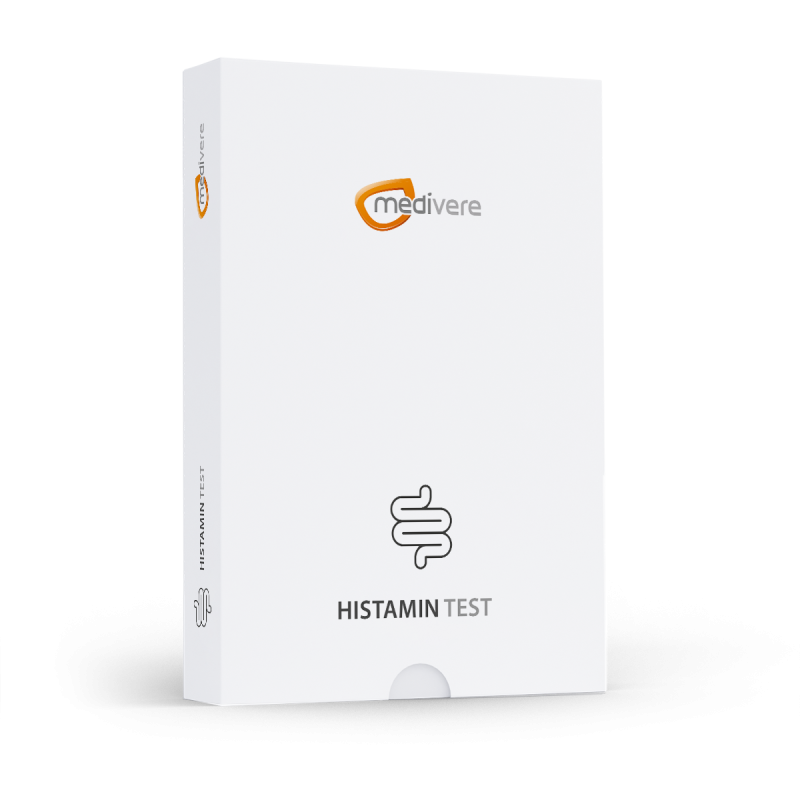
The Medivere Histamin Stuhltest is a laboratory analysis of histamine in stool. It is used to detect an elevated histamine concentration in stool as an initial clarification of possible histamine intolerance. The sample is conveniently taken at home and then evaluated in the laboratory.
The process is simple: you receive the test set, take a stool sample at home according to the instructions and send it in for analysis. The laboratory checks the histamine concentration in the stool. The result can then be considered together with your symptom pattern and your food diary.
It is important to have the right expectations: the test provides indications and does not replace an individual medical diagnosis or treatment. An unremarkable result does not automatically rule out all other causes. A conspicuous result should be assessed medically, especially if the symptoms are pronounced or have been present for a longer time.
Frequently asked questions from consultations
Do I have to avoid all histamine-rich foods immediately?
Not necessarily. A time-limited, structured phase with fresh, simple meals and precise documentation is usually more sensible. Afterwards, individual foods can be tested again in small amounts, ideally with professional guidance.
What amount is decisive?
Often it is not only the food itself that matters, but the combination and amount. One example: 30 g of mature cheese with a fresh meal may be assessed differently than 100 g of cheese, salami, red wine and a dessert on the same evening.
Can I follow a low-histamine diet permanently?
A very restricted diet can be burdensome in everyday life and unnecessarily narrow the choice of foods. The aim should be an individually suitable, as varied as possible diet, not permanently maximum restriction.
If you would like to have your observations, your food diary or laboratory results assessed, we at the Zentrum für Prävention und Ernährung in Berlin will be happy to support you personally. Here you can request a consultation.
This article is for general information and does not replace medical advice, diagnosis or treatment.
Sources
- Histamine and histamine intolerance. Am J Clin Nutr, 2007
- Histamine Intolerance: The Current State of the Art. Biomolecules, 2020
- Histamine Intolerance-The More We Know the Less We Know. A Review. Nutrients, 2021
{“@context”:”https://schema.org”,”@graph”:[{“@type”:”FAQPage”,”mainEntity”:[{“@type”:”Question”,”name”:”Do I have to avoid all histamine-rich foods immediately?”,”acceptedAnswer”:{“@type”:”Answer”,”text”:”Not necessarily. A time-limited, structured phase with fresh, simple meals and precise documentation is usually more sensible. Afterwards, individual foods can be tested again in small amounts, ideally with professional guidance.”}},{“@type”:”Question”,”name”:”What amount is decisive?”,”acceptedAnswer”:{“@type”:”Answer”,”text”:”Often it is not only the food itself that matters, but the combination and amount. One example: 30 g of mature cheese with a fresh meal may be assessed differently than 100 g of cheese, salami, red wine and a dessert on the same evening.”}},{“@type”:”Question”,”name”:”Can I follow a low-histamine diet permanently?”,”acceptedAnswer”:{“@type”:”Answer”,”text”:”A very restricted diet can be burdensome in everyday life and unnecessarily narrow the choice of foods. The aim should be an individually suitable, as varied as possible diet, not permanently maximum restriction.”}}]}]}
This article is for general information only and does not replace medical advice or treatment.

Nutrition scientist (postdoctoral research, Potsdam)