




Contents
A Helicobacter pylori stool test for home use is a non-invasive way to have possible colonisation with Helicobacter pylori clarified by laboratory diagnostics. You collect a small stool sample at home, send it to the laboratory and then discuss the result with your doctor if necessary. The test can be particularly useful if there are persistent symptoms in the upper digestive tract and a clear question is desired for further clarification.
The focus is not on self-diagnosis, but on a structured next step: the test provides indications, but does not replace a medical diagnosis. If the result is positive, you should not start any measures on your own, but discuss the further assessment and possible next steps medically.
What is Helicobacter pylori?
Helicobacter pylori is a bacterium that is considered in connection with the upper digestive tract. Possible colonisation can be associated with symptoms such as a feeling of fullness, stomach pressure, nausea, heartburn or unclear upper abdominal complaints. The bacterium also plays an important role, among other things, in gastritis, reflux symptoms or recurring stomach problems.
It is important to note: such symptoms are non-specific. They can also have other causes, such as eating habits, intolerances, stress, medications or other factors. A laboratory test is therefore only one component of the assessment and should always be considered as part of the overall picture.
To prepare for a medical consultation, it can be helpful to describe the symptoms more precisely: when do they occur, how long do they last, is there a connection with meals, coffee, alcohol, very fatty foods or late dinners? A short log over three to five days is often more informative than a spontaneous recollection during the appointment.
Who may benefit from a stool test?
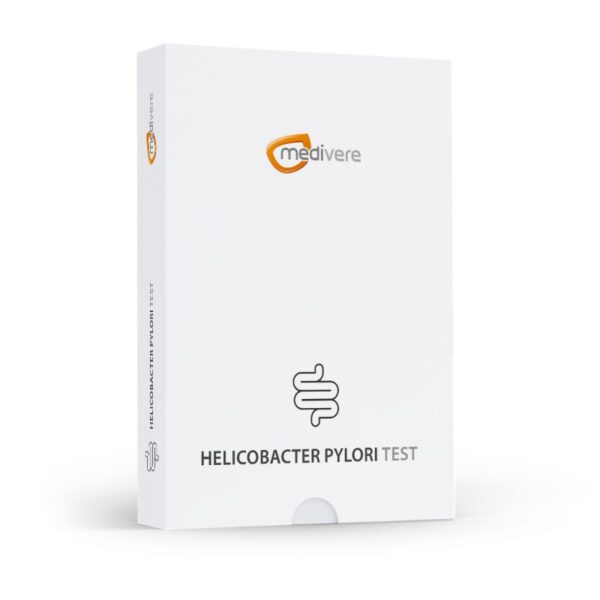
The Medivere Helicobacter pylori Stuhltest is used to detect Helicobacter pylori antigen in the stool. It is especially suitable for people with symptoms such as a feeling of fullness, stomach pressure, nausea, heartburn or unclear upper abdominal complaints. The sample is collected at home and then analysed in the laboratory.
The test is particularly practical if you prefer simple sample collection at home and want laboratory analysis with a clear question. The examination can provide a basis for discussing further diagnostic or therapeutic steps with a professional.
Please seek medical advice promptly if symptoms are severe, occur for the first time, change significantly or if you notice blood in the stool, black stool, repeated vomiting or marked weakness. Medical assessment is also particularly important in the case of existing illnesses, pregnancy or regular medication use.
How the Medivere antigen stool test works at home
The process is designed for simple use at home. After receiving the test set, read the instructions in full and prepare everything before collecting the sample. Sample collection is non-invasive, so no intervention is necessary.
Typical process in simple steps
- Read the instructions: Check in advance which materials are included and how the sample should be labelled.
- Collect the sample: Collect the stool sample according to the instructions. Make sure it does not come into contact with urine, toilet water or cleaning agents.
- Package the sample: Close the sample container carefully and complete all required details in full.
- Send it in: Send the sample to the laboratory according to the specifications of the test set.
- Receive the result: The evaluation is carried out in the laboratory and answers the question of whether Helicobacter pylori antigen is detectable in the stool.
A common mistake is to read the instructions only while collecting the sample. It is better to choose a quiet moment beforehand, lay out all components and check the labelling directly. An incompletely filled-in form can also delay processing.
If you are currently taking medication or have recently had medical measures, clarify with your practice or the laboratory before carrying out the test whether the timing is suitable. This helps you avoid uncertainty in the later interpretation.
What does a positive or negative result mean?
A positive result means that Helicobacter pylori antigen was detected in the stool in the laboratory. You should not derive an independent diagnosis or therapy from this. Make an appointment with your doctor, take the report with you and discuss which further steps make sense in your situation.
A negative result means that no Helicobacter pylori antigen was detected in the sample examined. If your symptoms nevertheless persist, further clarification is still advisable. The digestive tract reacts to many influences, and a single laboratory value does not always explain the entire symptom picture.
You can prepare the following points for the medical consultation:
- How long have the symptoms been present?
- Do they occur on an empty stomach, after eating or at night?
- Which foods, drinks or situations stand out in terms of timing?
- Do you regularly take medications or food supplements?
- Have similar symptoms occurred before?
The more precisely you bring this information with you, the better the laboratory finding can be assessed.
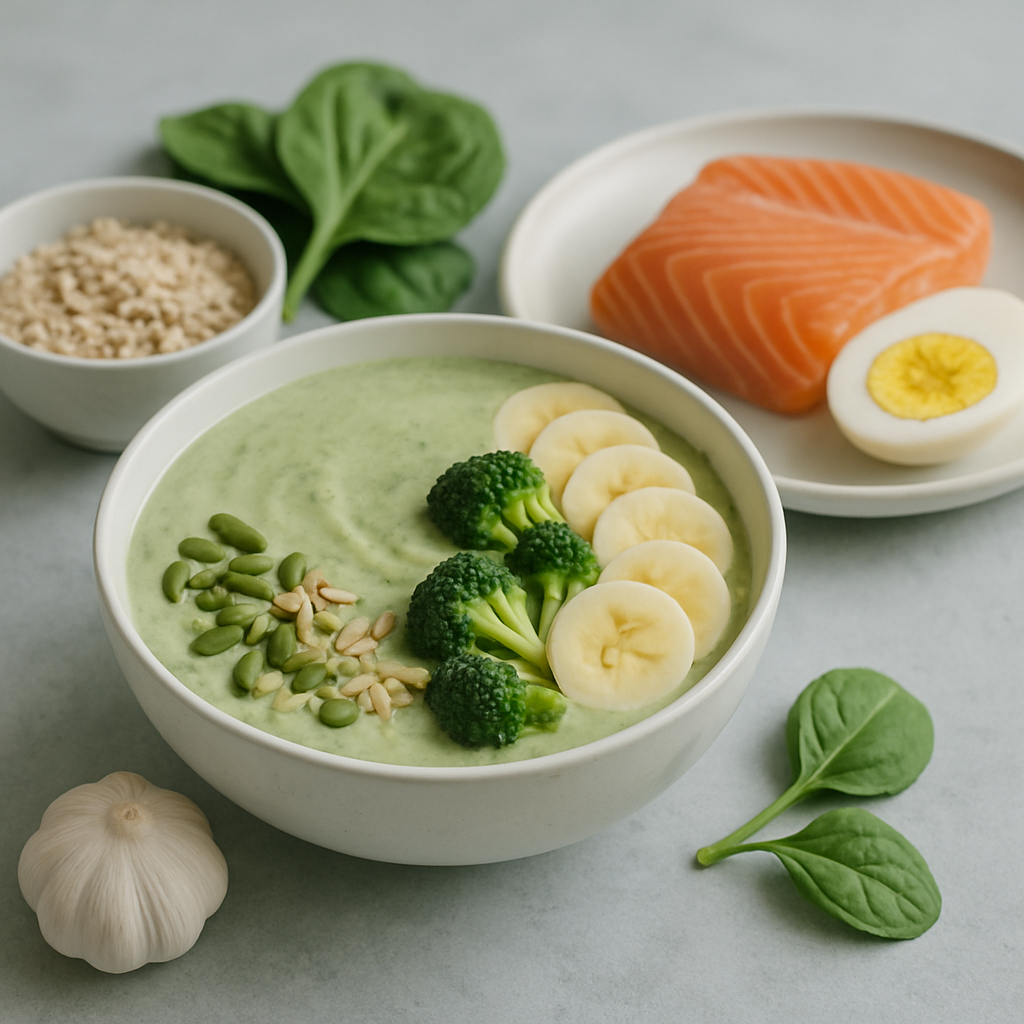
Nutrition in everyday life: observe instead of guessing
A nutrition list does not replace diagnostics, but it can help make everyday life clearer. For a few days, note down meals, times and how you feel. Specific details are important: not just “breakfast”, but for example “50 g oats with 150 g natural yoghurt and 1 banana” or “2 slices of rye bread with cheese, plus 2 cups of coffee”.
Portion sizes and eating speed are also helpful. A dinner at 9 p.m. with 300 g pasta, cream sauce and a glass of wine is a different situation from 250 g potatoes, 200 g steamed vegetables and 120 g fish at 6:30 p.m. The point is not to assess individual foods prematurely, but to recognise patterns.
Typical points you can observe:
- Coffee: number of cups, timing, on an empty stomach or after eating
- Alcohol: amount and occasion, for example 1 glass of wine with dinner
- Spicy foods: chilli, pepper, hot sauces
- Fatty meals: fried foods, cream sauces, large portions of cheese
- Meal breaks: very long breaks or very late meals
If intolerances are also being considered, a structured view can be useful. Our article on histamine intolerance offers a starting point. Patience is important when making long-term changes to eating habits; our article on sustainable dietary change is also relevant here.
Frequently asked questions about the Helicobacter pylori stool test
Can I use the test to replace a visit to the doctor?
No. The test is used for laboratory diagnostic clarification and does not replace an individual medical diagnosis or treatment. However, it can provide an important basis for a conversation with a professional.
Is collecting the sample complicated?
The sample is collected at home and is non-invasive. It is essential to follow the instructions exactly, collect the sample cleanly and complete all details in full.
What do I do if the result is positive?
Make an appointment at your doctor’s practice. Bring the laboratory report and ideally your symptom and nutrition log with you. The further assessment should be carried out medically.
What if the result is negative?
If symptoms persist, you should also discuss them with a doctor. A negative result answers the specific test question, but does not replace a comprehensive assessment of other possible causes.
If you would like to look at your nutrition in a more structured way in connection with digestive issues, we will be happy to support you at the Zentrum für Prävention und Ernährung in Berlin. You can request a personal consultation here.
This article is for general information and does not replace medical advice, diagnosis or treatment.
{“@context”:”https://schema.org”,”@graph”:[{“@type”:”FAQPage”,”mainEntity”:[{“@type”:”Question”,”name”:”Can I use the test to replace a visit to the doctor?”,”acceptedAnswer”:{“@type”:”Answer”,”text”:”No. The test is used for laboratory diagnostic clarification and does not replace an individual medical diagnosis or treatment. However, it can provide an important basis for a conversation with a professional.”}},{“@type”:”Question”,”name”:”Is collecting the sample complicated?”,”acceptedAnswer”:{“@type”:”Answer”,”text”:”The sample is collected at home and is non-invasive. It is essential to follow the instructions exactly, collect the sample cleanly and complete all details in full.”}},{“@type”:”Question”,”name”:”What do I do if the result is positive?”,”acceptedAnswer”:{“@type”:”Answer”,”text”:”Make an appointment at your doctor’s practice. Bring the laboratory report and ideally your symptom and nutrition log with you. The further assessment should be carried out medically.”}},{“@type”:”Question”,”name”:”What if the result is negative?”,”acceptedAnswer”:{“@type”:”Answer”,”text”:”If symptoms persist, you should also discuss them with a doctor. A negative result answers the specific test question, but does not replace a comprehensive assessment of other possible causes.”}}]}]}
This article is for general information only and does not replace medical advice or treatment.

Nutrition scientist (postdoctoral research, Potsdam)