




Contents
Calcium is needed for the maintenance of normal bones. Vitamin D contributes to the normal absorption and utilisation of calcium, and vitamin K contributes to the maintenance of normal bones. In everyday life, this means: it is not only the amount of calcium that matters, but also whether your diet regularly includes calcium-rich foods, whether vitamin D is sufficiently taken into account and whether supplementation fits your life situation.
Many people first think of dairy products when they think of calcium. That is understandable, but it is not the only option. Calcium-rich mineral water, certain vegetables, tofu, nuts, seeds and fortified plant drinks can also make an important contribution to daily intake.
Calcium, vitamin D and K2: what belongs together?
Calcium is a mineral that is mainly associated with bones and teeth. Calcium is needed for the maintenance of normal bones and teeth. Calcium also contributes to normal muscle function.
Vitamin D is particularly relevant in this context because vitamin D contributes to the normal absorption and utilisation of calcium. It is present in significant amounts in only a few foods. In everyday life, sunlight, diet and, if necessary, targeted supplementation therefore play a role.
Vitamin K occurs in different forms, including vitamin K1 from green vegetables and vitamin K2, which occurs in certain fermented foods and food supplements. Vitamin K contributes to the maintenance of normal bones. Anyone taking anticoagulant medication, especially vitamin K antagonists, should clarify the use of preparations containing vitamin K with a doctor beforehand.
How much calcium per day makes sense?
For adults, an intake of around 1000 mg of calcium per day is often used as a guide. Actual requirements can vary depending on age, life stage, diet and medical situation. What is therefore more important than a perfect number on individual days is reliable intake over the week.
A practical approach is a brief nutrition check over three to five days. Note which calcium-rich foods you eat and drink. It often quickly becomes clear whether you regularly include good sources or whether intake happens more by chance.
Typical everyday situations in which a closer look is worthwhile:
- You eat hardly any or no dairy products.
- You mainly drink water that is low in calcium.
- You use plant drinks without added calcium.
- You rarely eat green vegetables, tofu, nuts or seeds.
- You take several food supplements and would like to check the combination.
Good calcium sources: specific foods and amounts
The calcium content of foods varies depending on the product, processing and manufacturer. The following amounts help as a practical guide for shopping and daily planning.
Dairy products
- 250 ml milk: approximately 300 mg calcium.
- 150 g plain yoghurt: usually about 180 to 220 mg calcium.
- 30 g hard cheese: depending on the variety, about 250 to 330 mg calcium.
- 150 g quark: often about 130 to 180 mg calcium.
A simple example: a breakfast with 150 g yoghurt, 30 g oat flakes and some fruit plus a glass of calcium-rich mineral water can already provide a relevant share of the day’s intake. If you eat cheese, you should keep an eye on the portion: hard cheese provides a lot of calcium, but can also be high in salt.
Plant-based sources
- Calcium-rich mineral water: interesting from about 150 mg calcium per litre; some varieties provide significantly more.
- Fortified soya or oat drink: often about 120 mg calcium per 100 ml, i.e. around 300 mg per 250 ml glass.
- Calcium-set tofu: 150 g can provide several hundred milligrams of calcium depending on the product; the label is decisive.
- Kale or broccoli: good vegetable components, especially if they regularly end up on your plate.
- Sesame, tahini and almonds: nutrient-rich additions, but because of the portion size more building blocks than a main source.
With a plant-based diet, the label is particularly important. Not every plant drink is fortified with calcium, and not every tofu contains a lot of calcium. When shopping, pay attention to the nutrition table and plan fixed routines, for example a glass of fortified plant drink every day or a calcium-rich mineral water.
Putting vitamin D and K2 into the right context in everyday life
Vitamin D is present in foods only to a limited extent. Small amounts are found, for example, in oily fish, eggs or some mushrooms. For many people, the question is therefore relevant of how regularly they spend time outdoors and whether their intake should be checked individually. You can find more background on this in our article on vitamin D in everyday life.
Vitamin D is often taken with a meal that contains some fat, such as yoghurt, nuts, avocado, olive oil or a main dish. This is more suitable for everyday life than taking it at some point in between, which is quickly forgotten.
Vitamin K2 is available as a component of certain combination preparations. What matters is taking your personal situation into account: anyone taking medication, planning a pregnancy, pregnant, breastfeeding or having chronic symptoms should clarify food supplements professionally beforehand.
When can supplementation make sense?
Supplementation can make sense if the diet does not contain enough calcium-rich foods over a longer period or if vitamin D is given too little consideration in everyday life. However, it does not replace a good basic diet. The first sensible question is: what really ends up on your plate and in your glass every day?
In the shop you will find, for example, Biogena Osteo Calbon Komplex® Gold. The preparation combines calcium with vitamin D3, vitamin K2 and other selected micronutrients. Calcium, vitamin D and vitamin K contribute to the maintenance of normal bones. Vitamin D contributes to the normal absorption and utilisation of calcium. People who take anticoagulant medication, especially vitamin K antagonists, should clarify use with a doctor beforehand.
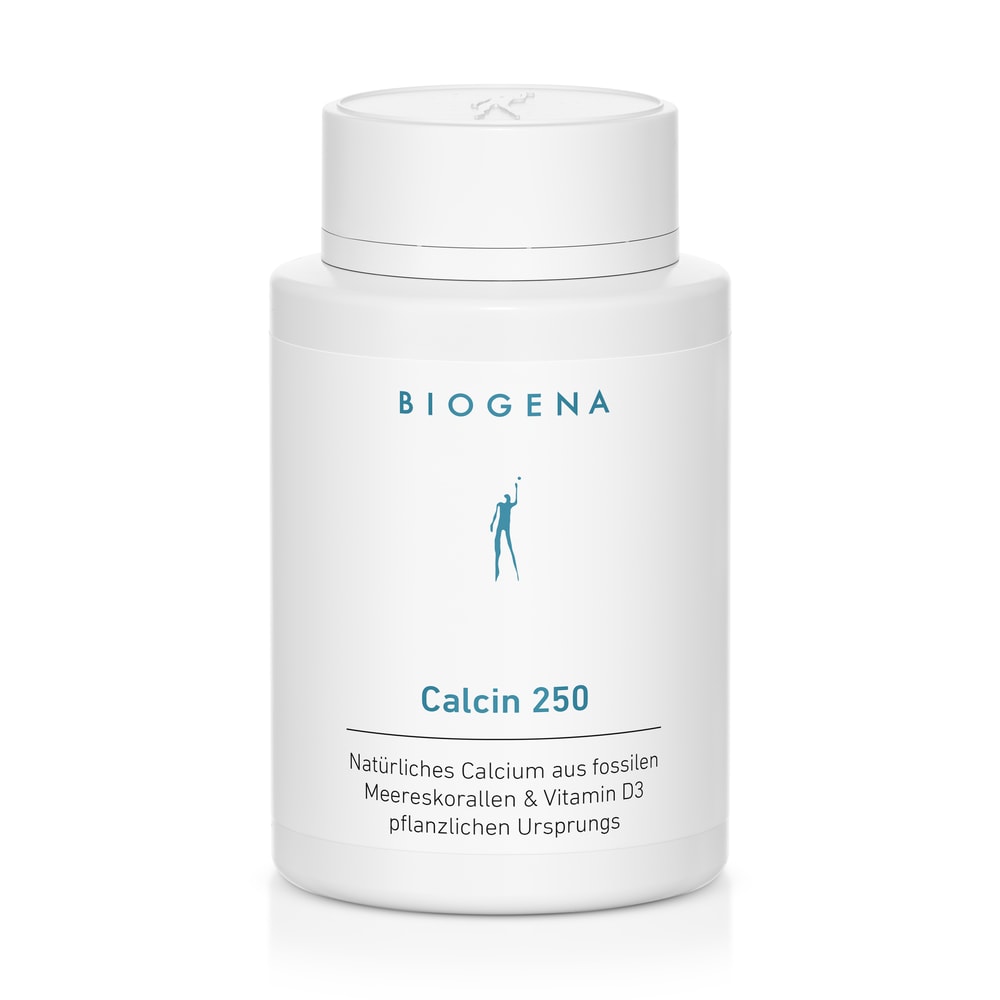
A second option is Biogena Calcin 250. It combines calcium from fossil Sango coral with plant-based vitamin D3 and is 100% vegan. Calcium is needed for the maintenance of normal bones and teeth. Vitamin D contributes to the maintenance of normal bones and contributes to the normal absorption and utilisation of calcium.
Typical mistakes when taking supplements are easy to avoid:
- Supplementing without need: First roughly include foods, mineral water and fortified products in your calculation.
- Taking everything at once: If several mineral preparations are used, separating them over time in everyday life can make sense.
- Not checking labels: Plant drinks, tofu and mineral water differ greatly in their calcium content.
- Not taking medication into account: Medical consultation is important, especially with vitamin K and anticoagulant medication.
- Neglecting diet: A capsule does not replace regular calcium-rich meals.
Food supplements are not a substitute for a balanced, varied diet and a healthy lifestyle. The stated recommended daily intake must not be exceeded.
A simple daily plan as an example
A calcium-conscious day does not have to be complicated. For breakfast, you can combine 150 g plain yoghurt or a fortified plant-based alternative with oat flakes, berries and almonds. A glass of calcium-rich mineral water goes well with this.
At lunchtime, a bowl with calcium-set tofu, broccoli, wholegrain rice, sesame and a yoghurt or tahini dressing is suitable. In the evening, a salad with cheese cubes or a vegetable stir-fry with kale can provide another source. If you are also actively working on your body composition, our article on muscle mass as a metabolic factor may also be of interest.
Frequently asked questions
How much calcium should you plan for per day?
For adults, an intake of around 1000 mg of calcium per day is often used as a guide. Actual requirements can vary depending on age, life stage, diet and medical situation, so what matters most is reliable intake over the week.
Which calcium sources can you use if you eat hardly any dairy products?
In addition to dairy products, calcium-rich mineral water, fortified soya or oat drinks, calcium-set tofu, kale, broccoli, sesame, tahini and almonds can also contribute to daily intake. With a plant-based diet, the label is particularly important, because not every plant drink is fortified with calcium and not every tofu contains a lot of calcium.
Why are calcium, vitamin D and K2 considered together in everyday life?
Calcium is needed for the maintenance of normal bones and teeth and contributes to normal muscle function. Vitamin D contributes to the normal absorption and utilisation of calcium, while vitamin K contributes to the maintenance of normal bones.
If you are unsure whether your current diet takes sufficient account of calcium, vitamin D and vitamin K, we will be happy to support you with a personal assessment. At the Centre for Prevention and Nutrition in Berlin, we develop practical everyday solutions with you that fit your habits: Request a consultation.
This article is for general information and does not replace medical advice, diagnosis or treatment.
{“@context”:”https://schema.org”,”@graph”:[{“@type”:”FAQPage”,”mainEntity”:[{“@type”:”Question”,”name”:”How much calcium should you plan for per day?”,”acceptedAnswer”:{“@type”:”Answer”,”text”:”For adults, an intake of around 1000 mg of calcium per day is often used as a guide. Actual requirements can vary depending on age, life stage, diet and medical situation, so what matters most is reliable intake over the week.”}},{“@type”:”Question”,”name”:”Which calcium sources can you use if you eat hardly any dairy products?”,”acceptedAnswer”:{“@type”:”Answer”,”text”:”In addition to dairy products, calcium-rich mineral water, fortified soya or oat drinks, calcium-set tofu, kale, broccoli, sesame, tahini and almonds can also contribute to daily intake. With a plant-based diet, the label is particularly important, because not every plant drink is fortified with calcium and not every tofu contains a lot of calcium.”}},{“@type”:”Question”,”name”:”Why are calcium, vitamin D and K2 considered together in everyday life?”,”acceptedAnswer”:{“@type”:”Answer”,”text”:”Calcium is needed for the maintenance of normal bones and teeth and contributes to normal muscle function. Vitamin D contributes to the normal absorption and utilisation of calcium, while vitamin K contributes to the maintenance of normal bones.”}}]}]}
This article is for general information only and does not replace medical advice or treatment.

Nutrition scientist (postdoctoral research, Potsdam)