


Contents
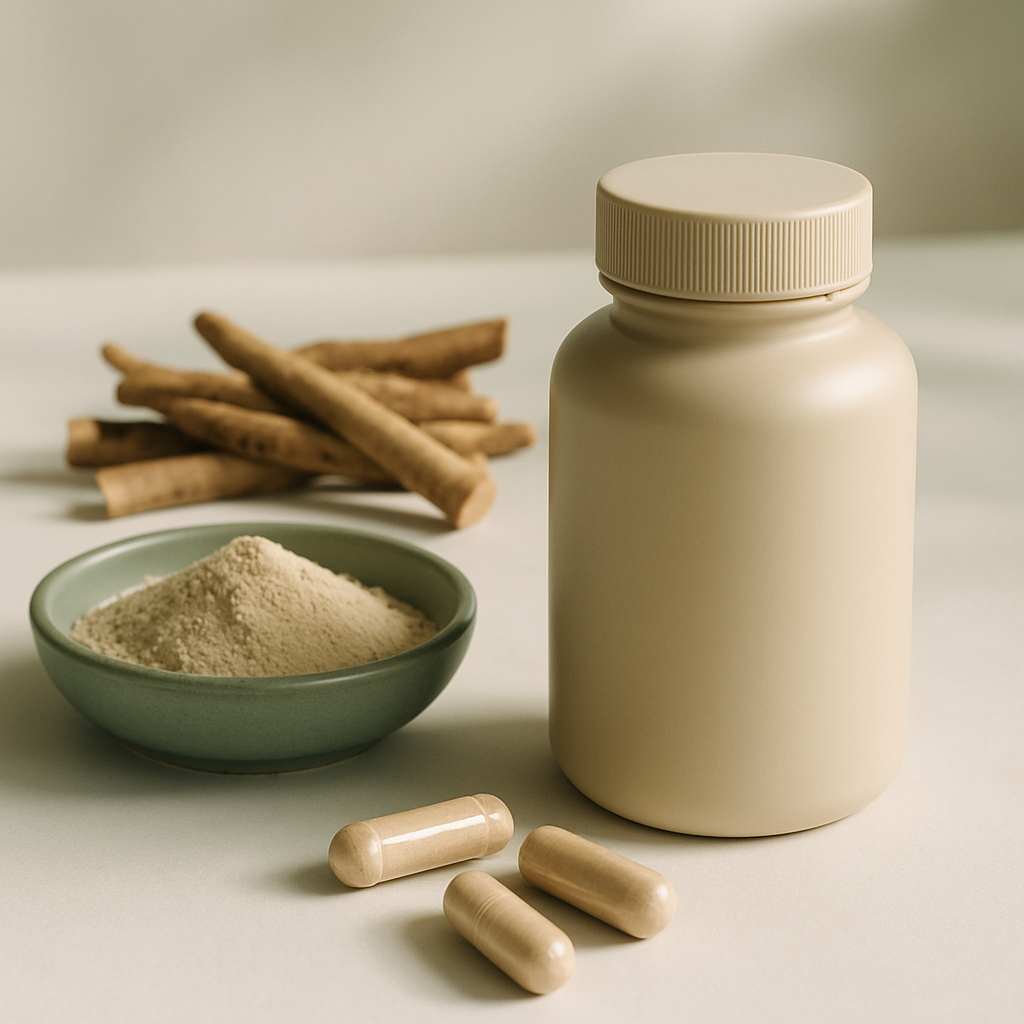
Ashwagandha use today is mostly via capsules with root extract or as a component of combined preparations. The practical benefits lie above all in the simple dosage, the standardized composition and the ease of planning in everyday life. At the same time, it is important to note: Ashwagandha is not suitable for everyone, especially not for pregnant women, breastfeeding women and children.
Ashwagandha is botanically called Withania somnifera and belongs to the nightshade family. In the Ayurvedic tradition, the root is mainly used, often as a powder or extract. Anyone who wants to use Ashwagandha today should not only look at the plant itself, but also at quality, timing of intake, their personal situation and possible questions regarding medications.
What is Ashwagandha?
Ashwagandha is a herbaceous plant with small yellowish-green flowers and red berries. In food supplements, it is usually the root that is used. It contains various plant-typical constituents, including withanolides, alkaloids and other secondary plant substances.
Originally, Ashwagandha is known mainly in dry, warm regions, for example in India and neighboring areas. In Ayurvedic teaching, the plant has a fixed place. There, it is traditionally used in different preparations, for example as a powder in warm drinks or as a component of blends.
The name Ashwagandha is often associated with the smell of the root. For many people, the capsule form is therefore more suitable for everyday use than powder: it is more neutral in taste, easier to take along and can be better integrated into a fixed routine.
Ashwagandha in the Ayurvedic tradition
In Ayurveda, Ashwagandha is not viewed in isolation, but in connection with nutrition, daily rhythm, constitution and lifestyle. There, the plant is assigned to a traditional category that plays a special role within the Ayurvedic system. This classification is culturally and traditionally significant, but it does not replace individual medical clarification.
Warm preparations are typical for traditional use, for example with milk or spices. In modern everyday life, many people tend to use capsules because they make consistent intake easier. Especially if you already use several food supplements, a clear structure is helpful: What do you take in the morning, what in the evening, and what only after consultation?
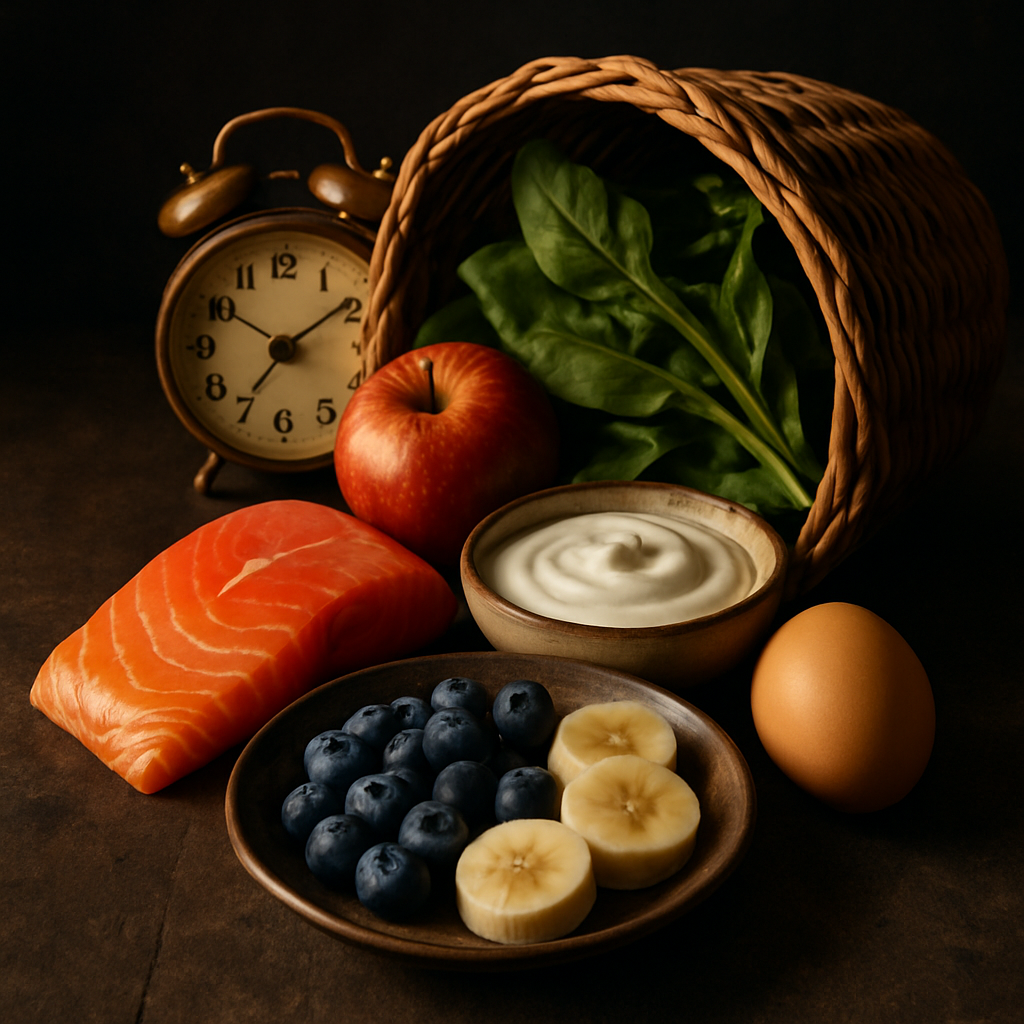
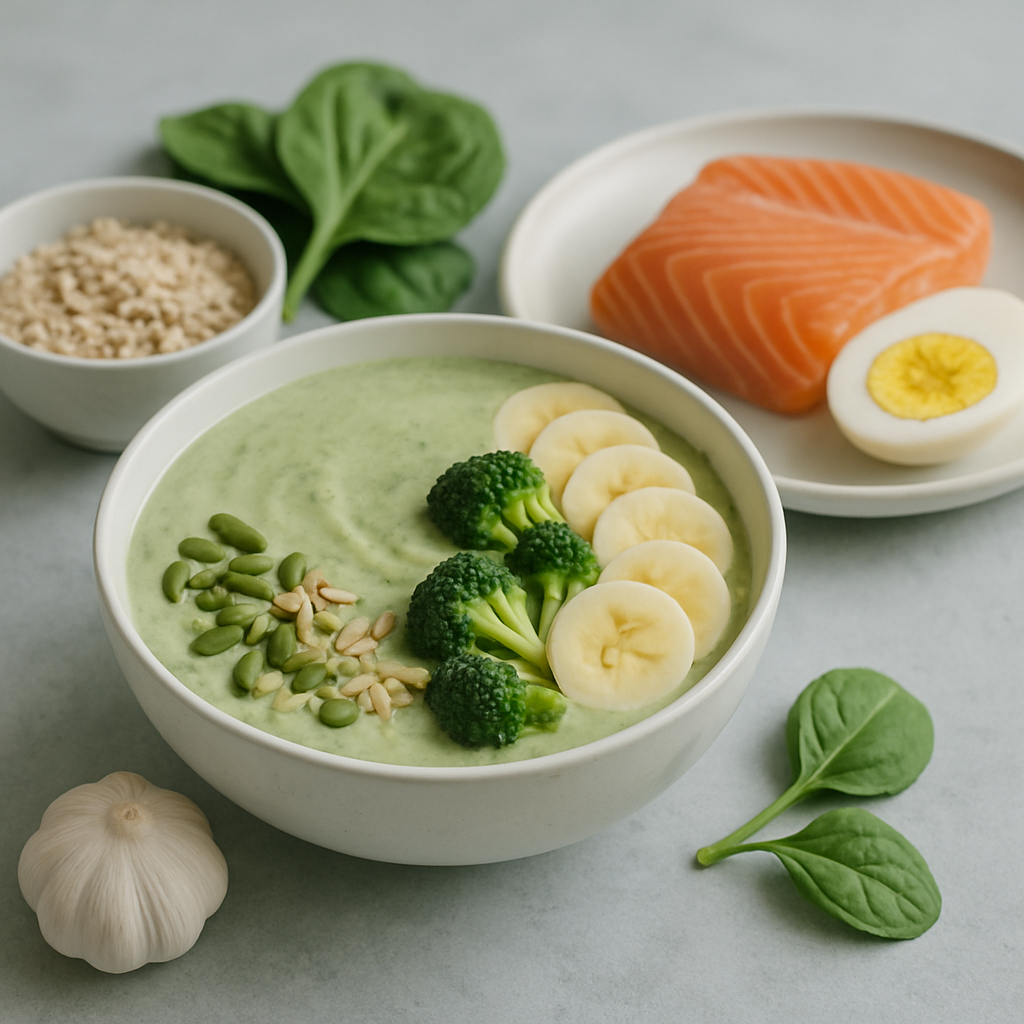
A practical approach is to first check your own foundation. Do you eat regularly? Is there enough protein, vegetables, complex carbohydrates and fluids? An example daily structure could look like this: in the morning 50 g oat flakes with 150 g natural yogurt, berries and 1 tablespoon of nuts; at midday a plate with 150 g vegetables, a protein source such as legumes, fish, egg or tofu and a portion of whole grains; in the evening a light meal with vegetables, potatoes or rice and high-quality oil.
Use in everyday life: capsules, timing and routine
For Ashwagandha products, the recommended intake stated by the respective manufacturer is decisive. Do not take several Ashwagandha preparations in parallel just because they have different names. What matters is which extracts are included and how they are dosed.
Many people prefer to take capsules with a meal. If you react sensitively to new preparations, start especially consciously: do not begin three new products at the same time, but proceed step by step. This allows you to better assign what agrees with you and what does not.
Typical mistakes when taking it
- Too many new products at once: Do not start Ashwagandha, magnesium, herbal blends and other preparations all at the same time.
- No consultation when taking medications: If you take medicines, clarify use with a doctor beforehand.
- Taking it despite pregnancy or breastfeeding: The Ashwagandha products from the examples listed below are not suitable for this.
- More helps more: The recommended daily intake must not be exceeded.
- Unclear evening routine: If a product is intended for the evening, it should not be distributed randomly throughout the day.
If you would like to make your routines more stable overall, you will find additional information in our article on everyday strategies for stressful phases. For long-term dietary changes, the article on why sustainable changes take time may also be helpful.
Safety: Who is Ashwagandha not suitable for?
Ashwagandha should not be taken without critical consideration. The products mentioned in the shop are not suitable for pregnant women, breastfeeding women and children. If pregnancy is planned or cannot be safely ruled out, use should be discussed beforehand.
Particular caution applies in the case of thyroid disorders. For the product Ashwagandha Fusion Complete, it is expressly recommended to clarify intake with a doctor beforehand in the case of thyroid disorders. This also applies if thyroid preparations are being taken or laboratory values are checked regularly.
Consultation is also important when taking medications. This includes not only medicines prescribed on a long-term basis, but also preparations that are taken only in phases. It is best to bring an up-to-date list to the consultation: name of the medication, dosage, time of intake and since when you have been using it.
If you notice unusual complaints after taking it, do not simply continue the product on your own indefinitely. Note the time, amount and accompanying circumstances such as meal, coffee, alcohol or other preparations. In the case of noticeable or persistent complaints, you should seek medical advice.
Biogena products with Ashwagandha in the shop
In the shop of the Centre for Prevention and Nutrition, you will find various Biogena products with Ashwagandha. They differ in composition, the purpose of use within the daily routine and combination with other components.
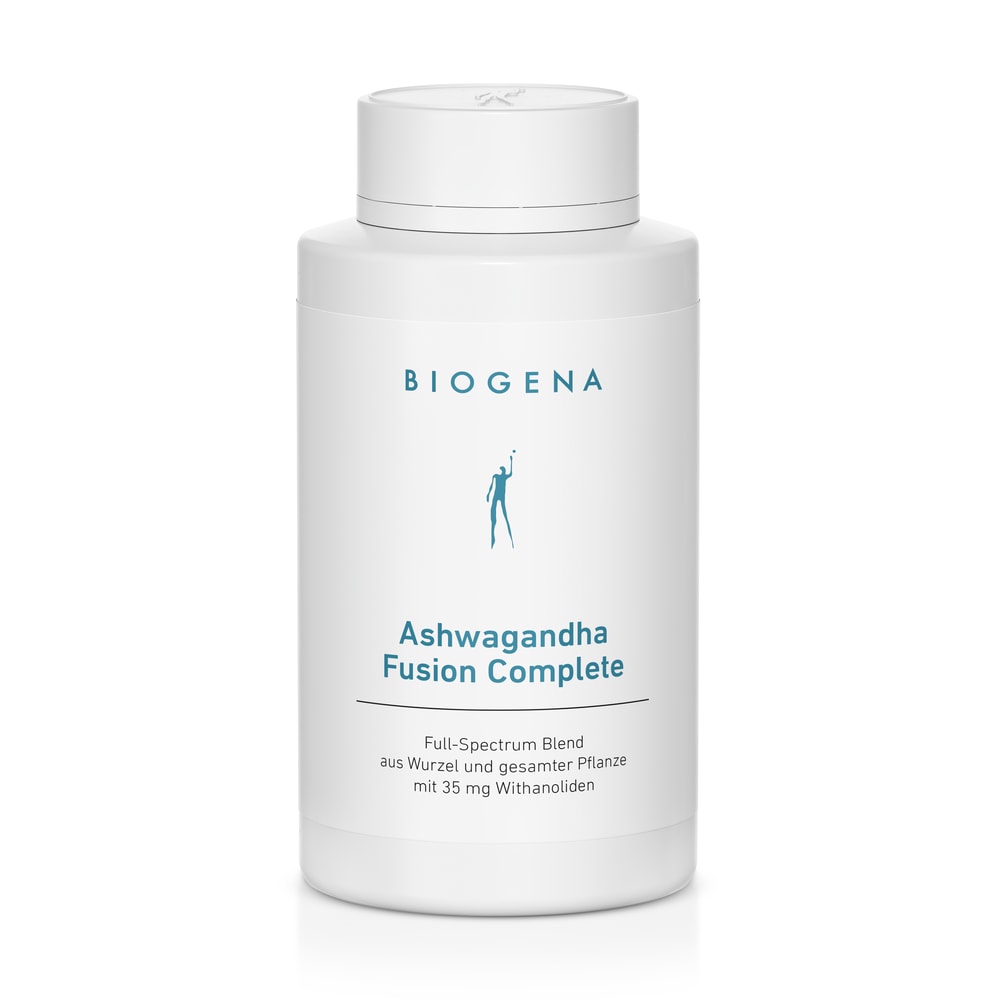
Biogena Ashwagandha Fusion Complete combines KSM-66®, an extract from the root of Ashwagandha, with other selected plant extracts. The pack contains 120 vegan capsules. The product is not suitable for pregnant women, breastfeeding women and children. In the case of thyroid disorders or when taking medications, use should be clarified with a doctor beforehand.
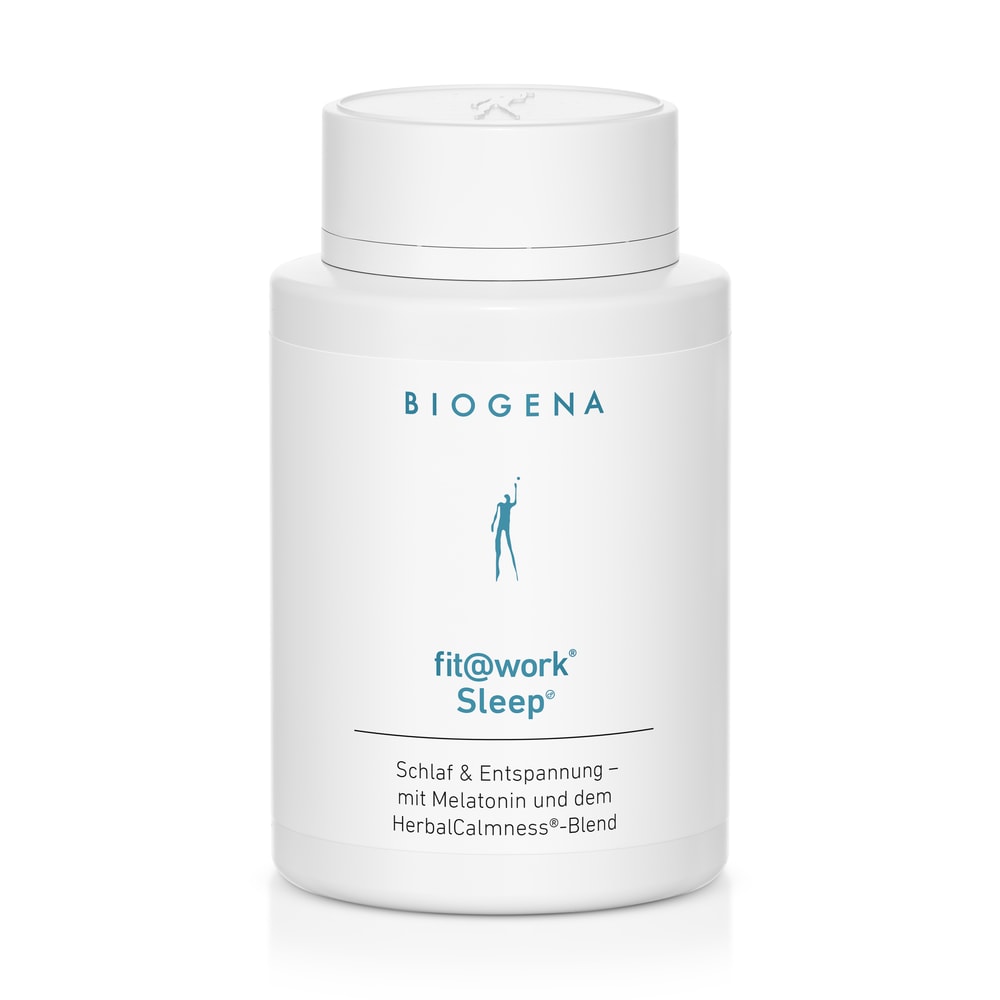
Biogena fit@work® Sleep combines melatonin with extracts from passion flower and Ashwagandha as well as other selected micronutrients. The capsules are intended for intake in the evening. The pack contains 60 vegan capsules. This product is also not suitable for pregnant women, breastfeeding women and children. When taking medications, it should be clarified with a doctor beforehand whether use is appropriate.
Food supplements are not a substitute for a balanced, varied diet and a healthy lifestyle. The stated recommended daily intake must not be exceeded.
Frequently asked questions about Ashwagandha use
Does Ashwagandha go with coffee?
Many people automatically take food supplements with coffee in the morning. Water with a meal is often more practical, because it makes the intake easier to document clearly. If you use several preparations, a small weekly plan can help.
Can I combine Ashwagandha with other plant extracts?
That depends on the product. Some preparations already contain several plant extracts. Therefore, first check the ingredients list and do not additionally combine similar products without considering the overall situation.
How long should I test a product?
Decide in advance what you want to pay attention to: tolerability, intake routine, timing and interaction with meals. During this time, try not to change your diet, caffeine amount, training volume and several food supplements all at the same time, otherwise assessment becomes difficult.
If you are unsure which product suits your diet, your routines and your current situation, we will be happy to support you personally. You can request a consultation here.
This article is for general information and does not replace medical advice, diagnosis or treatment.
{“@context”:”https://schema.org”,”@graph”:[{“@type”:”FAQPage”,”mainEntity”:[{“@type”:”Question”,”name”:”Does Ashwagandha go with coffee?”,”acceptedAnswer”:{“@type”:”Answer”,”text”:”Many people automatically take food supplements with coffee in the morning. Water with a meal is often more practical, because it makes the intake easier to document clearly. If you use several preparations, a small weekly plan can help.”}},{“@type”:”Question”,”name”:”Can I combine Ashwagandha with other plant extracts?”,”acceptedAnswer”:{“@type”:”Answer”,”text”:”That depends on the product. Some preparations already contain several plant extracts. Therefore, first check the ingredients list and do not additionally combine similar products without considering the overall situation.”}},{“@type”:”Question”,”name”:”How long should I test a product?”,”acceptedAnswer”:{“@type”:”Answer”,”text”:”Decide in advance what you want to pay attention to: tolerability, intake routine, timing and interaction with meals. During this time, try not to change your diet, caffeine amount, training volume and several food supplements all at the same time, otherwise assessment becomes difficult.”}}]}]}
This article is for general information only and does not replace medical advice or treatment.

Nutrition scientist (postdoctoral research, Potsdam)