
Contents
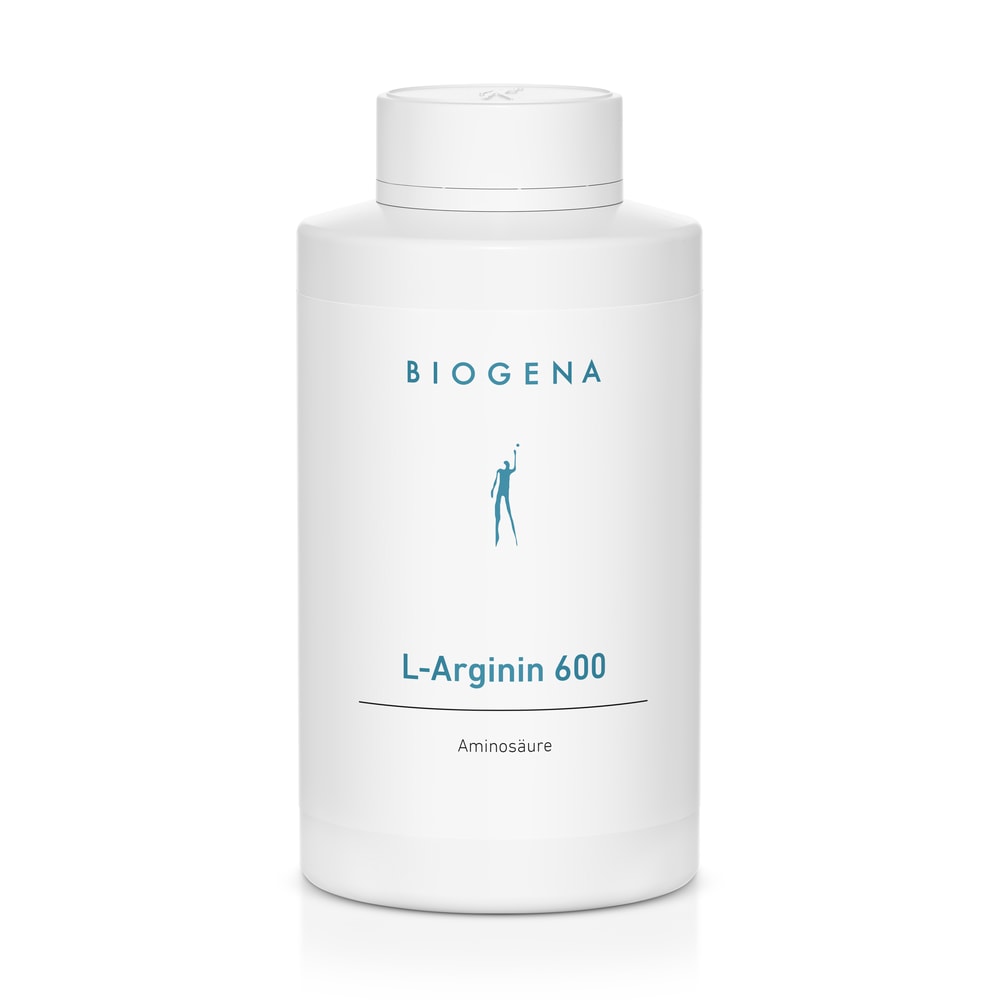
Biogena Arginin is of interest to people who would like to supplement L-Arginine in a targeted and uncomplicated way. L-Arginine is a semi-essential amino acid that the body can produce itself, but which is also taken in through foods. Biogena L-Arginin 600 provides the amino acid in pure form with 600 mg per capsule.
It is important to note: L-Arginine is not a substitute for a protein-conscious diet. It always makes sense to look at everyday life as a whole: How regularly do you eat protein-rich foods? What is your meal structure like? And do you take any medication for which prior medical advice is important?
What is L-Arginine?
L-Arginine is one of the amino acids. Amino acids are building blocks of protein and are found in many animal and plant foods. As a semi-essential amino acid, L-Arginine can partly be produced by the body itself; it is also supplied through the diet.
The body uses L-Arginine, among other things, as a starting substance for nitric oxide, or NO for short. In addition, like other amino acids, L-Arginine is one of the building blocks of protein. For practical nutrition, this means that anyone who eats a balanced, varied and protein-conscious diet will usually already be taking in various amino acids through their meal plan.
L-Arginine is often searched for in connection with sport, a protein-rich diet or special nutrition routines. It is important to distinguish soberly here: L-Arginine is a single amino acid. Whether supplementation fits into your everyday life depends on diet, lifestyle, medication, personal goals and tolerability.
L-Arginine in foods: good sources for everyday life
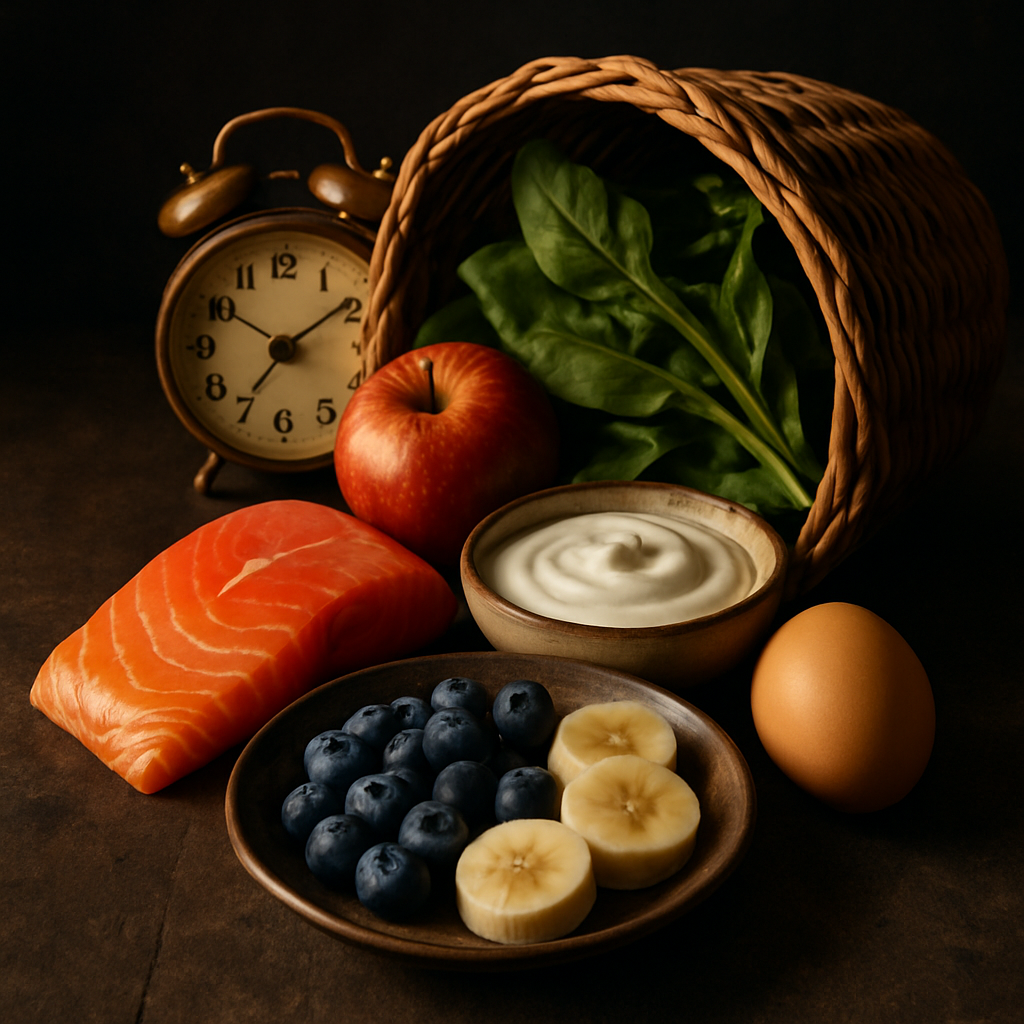
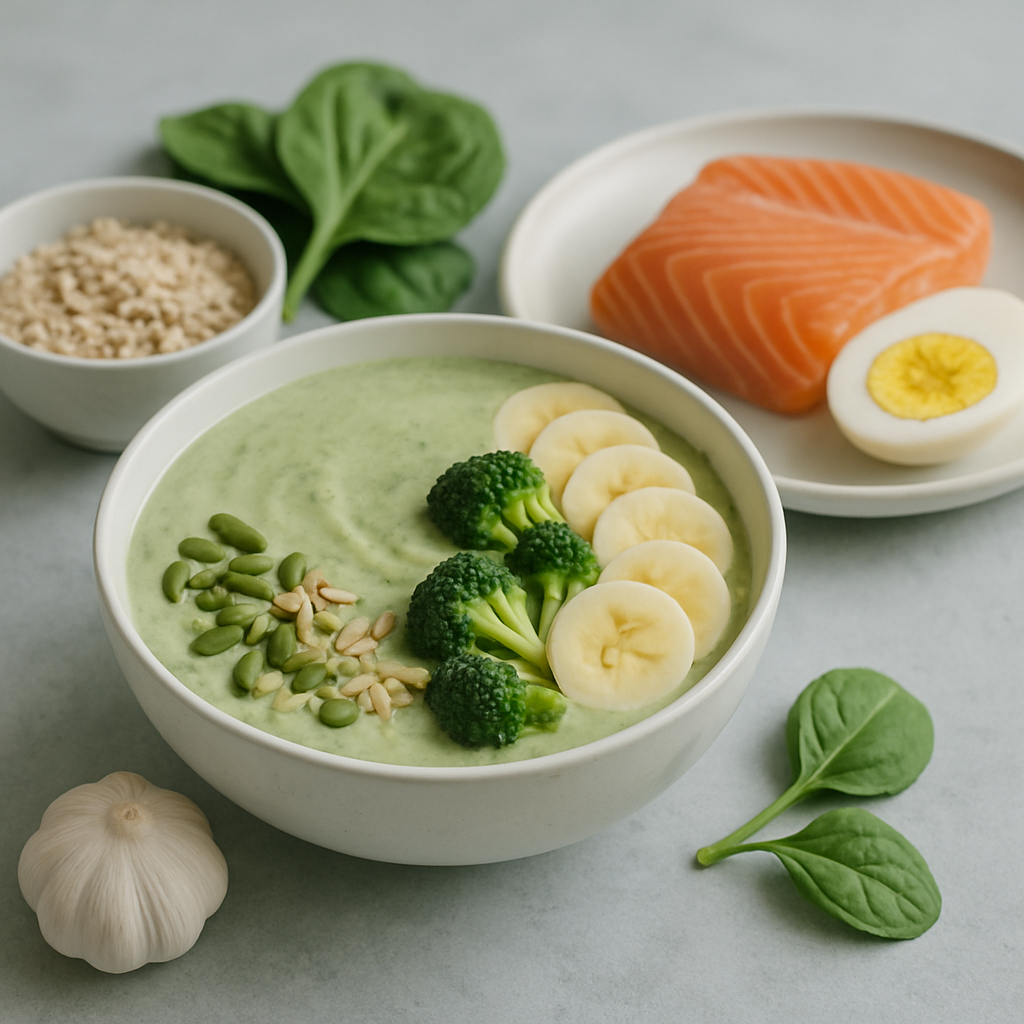
L-Arginine is found mainly in protein-rich foods. Foods that can easily be integrated into main meals or snacks are particularly practical. The following examples show typical portion sizes that can help you make your meal plan richer in arginine.
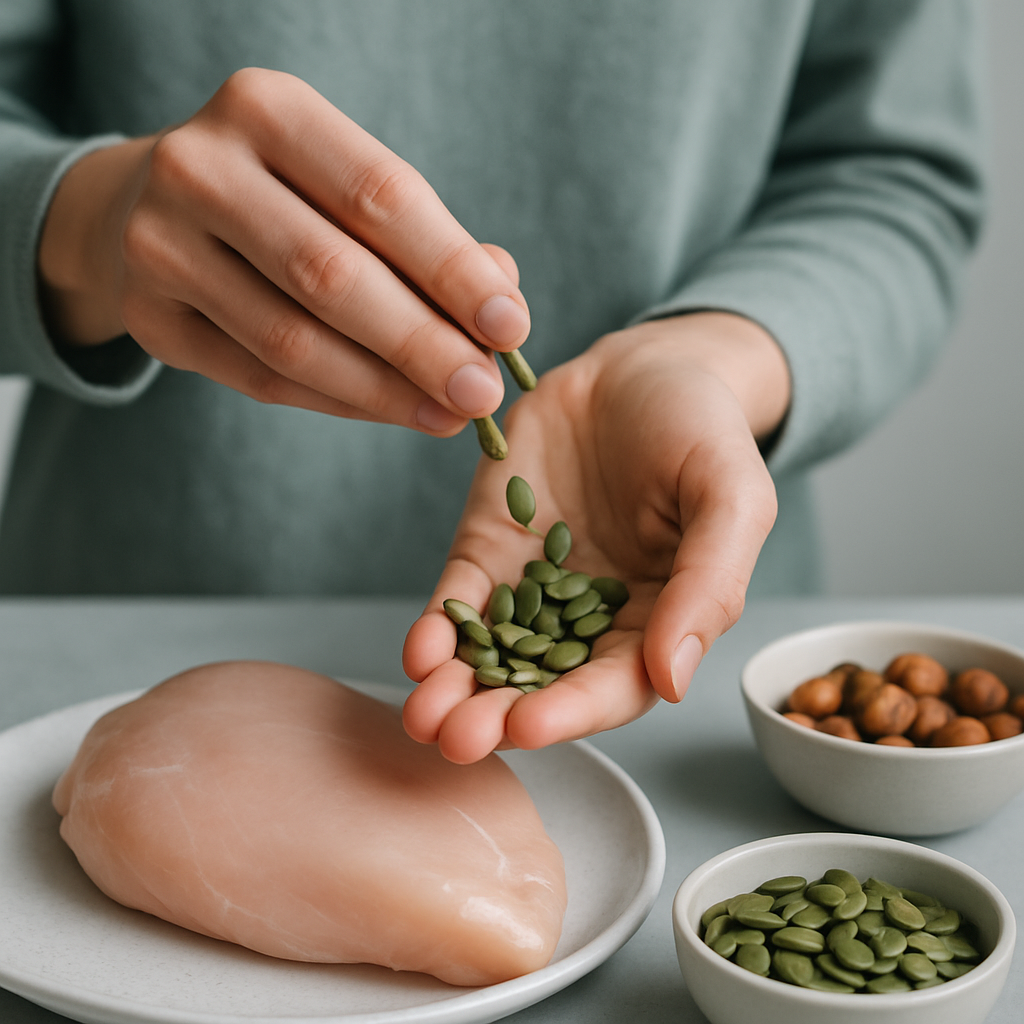
- Pumpkin seeds: 1 small handful, about 25–30 g, as a topping on salad, soup or porridge.
- Peanuts or peanut butter: about 20–30 g of nuts or 1 tablespoon of peanut butter, for example with fruit or in a bowl.
- Almonds and walnuts: about 25 g as a snack or in muesli.
- Lentils: about 150–200 g cooked as lentil salad, dal or a side dish.
- Chickpeas: about 150 g cooked, for example as hummus, oven-roasted chickpeas or in a stew.
- Oats: 50–70 g for breakfast, combined with yoghurt, nuts and berries.
- Chicken, turkey or beef: about 120–150 g per meal, combined with vegetables and a filling side dish.
- Fish: about 150 g, for example salmon, trout or cod.
- Eggs: 2 eggs as an omelette, boiled breakfast egg or part of a meal.
- Quark, skyr or yoghurt: about 150–250 g, depending on the meal and individual needs.
A practical everyday example: breakfast with 60 g oats, 200 g yoghurt and 25 g pumpkin seeds. At lunchtime, a lentil salad with 180 g cooked lentils, vegetables and olive oil. In the evening, a vegetable stir-fry with 150 g fish or tofu. This creates a diet that provides various amino acids from different sources.
Biogena L-Arginin 600: composition and classification
Biogena L-Arginin 600 contains L-Arginine in pure form. One capsule provides 600 mg of L-Arginine. The pack contains 180 vegan capsules and is therefore suitable for people who prefer a capsule-based supplement.
The capsules can be particularly practical if you would like to structure your intake clearly, for example as part of a nutrition plan. At the same time, the basis should always remain a balanced selection of foods. Food supplements supplement the meal plan; they do not replace it.
If you take several products in parallel, a quick check is worthwhile: Which nutrients or amino acids are already included? Are there overlaps? Is the intake sensibly organised throughout the day? Ideally, bring all preparations you use with you to a nutrition consultation.
Advice on intake: what matters in everyday life
When taking it, follow the recommended intake on the product label or an individual recommendation from your consultation. Take capsules with sufficient water. Many people find it easier to always link food supplements to the same routine, for example in the morning with breakfast or at a fixed time of day.
Typical mistakes arise less from a single capsule than from unclear routines. Common pitfalls are:
- Irregular intake: This morning, tomorrow evening, then not at all for several days – this quickly makes the routine unclear.
- Too many products at the same time: Anyone who combines several amino acids, protein powders and other preparations can easily lose track.
- No documentation: For at least a few weeks, note down what you take, in what quantity and at what time of day.
- Expectations of a single product: Diet, meal rhythm, exercise, sleep times and stress management should always be reviewed as well.
- Intake without seeking advice when taking medication: This is particularly important if you take blood pressure-lowering or vasodilator medicines.
People who take medication, especially blood pressure-lowering or vasodilator medicines, should have the intake clarified by a doctor beforehand. This also applies if there is uncertainty or if several preparations are combined.
For whom can a closer look at L-Arginine be useful?
A closer look can be useful if you would like to manage your protein intake more consciously, follow a predominantly plant-based diet, or are physically active and want to structure your meals better. This is not only about L-Arginine, but about overall protein quality, distribution throughout the day and combination with vegetables, wholegrain products, legumes, nuts and seeds.
For example, someone who only drinks coffee in the morning, quickly eats a bread roll at lunchtime and chooses a large portion of pasta without a protein source in the evening does take in energy, but often distributes protein unfavourably. More practical would be: yoghurt with oats and nuts in the morning, a bowl with legumes at lunchtime and vegetables with fish, egg, tofu or poultry in the evening.
Body composition can also be a helpful context. You can read more about this in the article Muscle mass as a metabolic factor. If you would like to change your diet in the long term, the article Sustainable change takes time is also relevant.
Frequently asked questions about Biogena Arginin
Can I simply get L-Arginine from foods?
Yes, L-Arginine is found in many protein-rich foods. Pumpkin seeds, nuts, legumes, oats, eggs, fish, meat and dairy products are particularly practical for everyday use. What matters is that these foods are planned in regularly and in line with your needs.
Is Biogena L-Arginin 600 vegan?
Yes, Biogena L-Arginin 600 consists of vegan capsules. Each capsule contains 600 mg of L-Arginine.
When should I seek advice before taking it?
If you take medication, especially blood pressure-lowering or vasodilator medicines, you should have the intake clarified by a doctor beforehand. This is also advisable if you combine several food supplements or have particular health circumstances.
Food supplements are not a substitute for a balanced, varied diet and a healthy lifestyle. The stated recommended daily intake must not be exceeded.
Would you like to know whether L-Arginine fits your diet and routines? At the Zentrum für Prävention und Ernährung in Berlin, nutritional consultant Olha Bezuhla supports you with an individual assessment. Request a consultation
This article is for general information and does not replace medical advice, diagnosis or treatment.
{“@context”:”https://schema.org”,”@graph”:[{“@type”:”FAQPage”,”mainEntity”:[{“@type”:”Question”,”name”:”Can I simply get L-Arginine from foods?”,”acceptedAnswer”:{“@type”:”Answer”,”text”:”Yes, L-Arginine is found in many protein-rich foods. Pumpkin seeds, nuts, legumes, oats, eggs, fish, meat and dairy products are particularly practical for everyday use. What matters is that these foods are planned in regularly and in line with your needs.”}},{“@type”:”Question”,”name”:”Is Biogena L-Arginin 600 vegan?”,”acceptedAnswer”:{“@type”:”Answer”,”text”:”Yes, Biogena L-Arginin 600 consists of vegan capsules. Each capsule contains 600 mg of L-Arginine.”}},{“@type”:”Question”,”name”:”When should I seek advice before taking it?”,”acceptedAnswer”:{“@type”:”Answer”,”text”:”If you take medication, especially blood pressure-lowering or vasodilator medicines, you should have the intake clarified by a doctor beforehand. This is also advisable if you combine several food supplements or have particular health circumstances.”}}]}]}
This article is for general information only and does not replace medical advice or treatment.

Nutrition scientist (postdoctoral research, Potsdam)